 Call Technician

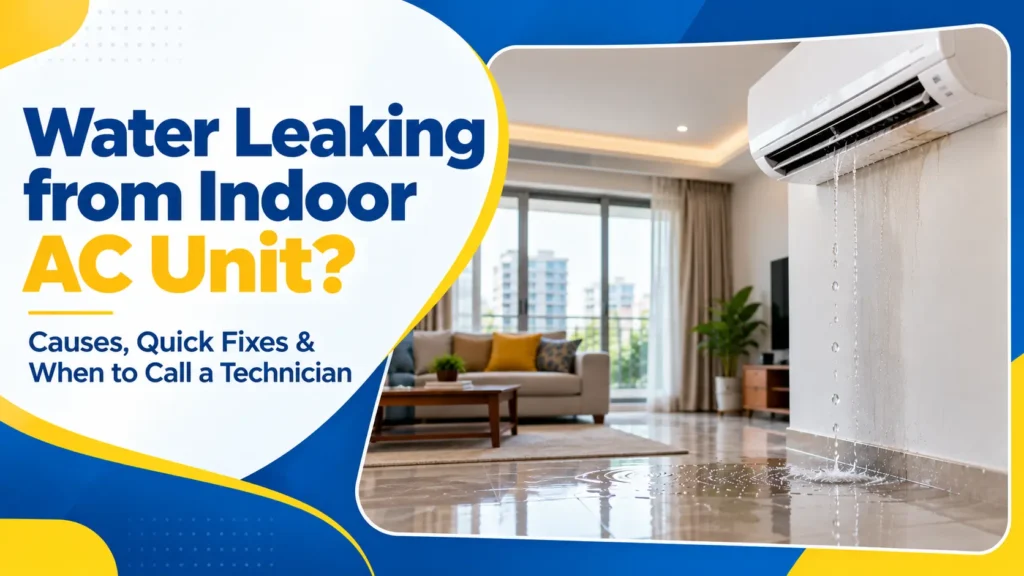
Water Leaking from Indoor AC Unit? Causes, Quick Fixes & When to Call a Technician
AC dripping water indoors? Find the top causes, a 7-step DIY fix, and what to avoid. Know when to call a pro.
Quick Answer
Is Your AC Water Leak Normal? Check the Table Below
Use the table below to quickly check if your AC’s water leak is normal or needs action.
| Situation | Normal or Needs Action | What It Means |
|---|---|---|
| Small amount of condensation dripping outside during hot/humid weather | Normal | Basic condensation process, no action needed |
| Steady dripping or pooling water from the indoor unit | Needs Action | Sign of blocked drain, dirty filter, or low refrigerant |
| Water leaking only when AC has run a long time, then stops | Needs Action (minor) | Often clogged drain line, try DIY cleaning first |
| Water leaking with ice visible on coil or pipes | Needs Action (serious) | Frozen coil, turn off AC and let it thaw |
| Water leaking with unusual smell, electrical sparks, or corrosion | Needs Action (urgent) | Possible electrical hazard, call a technician immediately |

Water Leaking from AC? Call Our Technician for Sameday Repair in Kolkata
Common Causes of Water Leaking from Indoor AC Unit
| Cause | Quick Fix |
|---|---|
| Clogged or blocked condensate drain pipe/line | Clean with wet/dry vacuum, flush with water or diluted vinegar |
| Dirty or clogged air filter | Wash or replace filter; clean every 1 to 3 months |
| Frozen evaporator coil (from low refrigerant or poor airflow) | Turn off AC, let ice thaw fully, then check filter/refrigerant |
| Low refrigerant level | Contact a professional to check for leaks and refill gas |
| Broken or faulty condensate pump | Have pump repaired or replaced by a technician |
| Improper AC installation or incorrect unit tilt/leveling | Have unit re-leveled or reinstalled by a professional |
| Damaged, cracked, or rusted drain pan | Replace the drain pan |
| Dirty evaporator coil redirecting water | Clean coil; keep area around it clear of debris |
| Damaged or missing pipe insulation (pipe “sweating”) | Re-insulate exposed copper pipes with foam/AC tape |
How to Fix a Leaking Indoor AC Unit Yourself in 7 Easy Steps
If your indoor AC unit is leaking, follow these safe DIY steps before calling for help.
- Turn off the AC and switch off power at the breaker.
This prevents electrical hazards and stops added strain on the unit while water is already pooling inside. - Check the air filter.
Remove it and wash with mild soap and water if it looks dusty or clogged. Dry it fully before reinstalling, since a wet filter restricts airflow just like a dirty one. - Look for ice on the coil or copper pipes.
If you spot ice, leave the AC switched off and let it thaw completely. Turning the AC back on with ice still present will only add more meltwater to the leak. - Open the front panel and inspect the drain tray or pan.
Look for standing water, dust buildup, or sludge, since a blocked or dirty tray stops water from draining out properly. - Check the drain pipe outside for blockage.
Use a wet/dry vacuum at the outdoor end to pull out debris, or flush the pipe gently with water or diluted vinegar to clear algae and dirt. - Check the indoor unit’s tilt.
The rear or drain side should sit slightly lower than the front. If the unit is level or tilted the wrong way, water flows inside instead of draining out. - Turn the AC back on and monitor it for a few hours.
Watch the indoor unit and the drain area to confirm the dripping or pooling has actually stopped.
If leaking continues after these steps, the cause likely needs professional diagnosis. It may involve low refrigerant, a faulty condensate pump, or a damaged drain pan.
Common Causes of AC Water Leaks and How to Fix Them
Clogged or Blocked Condensate Drain Pipe
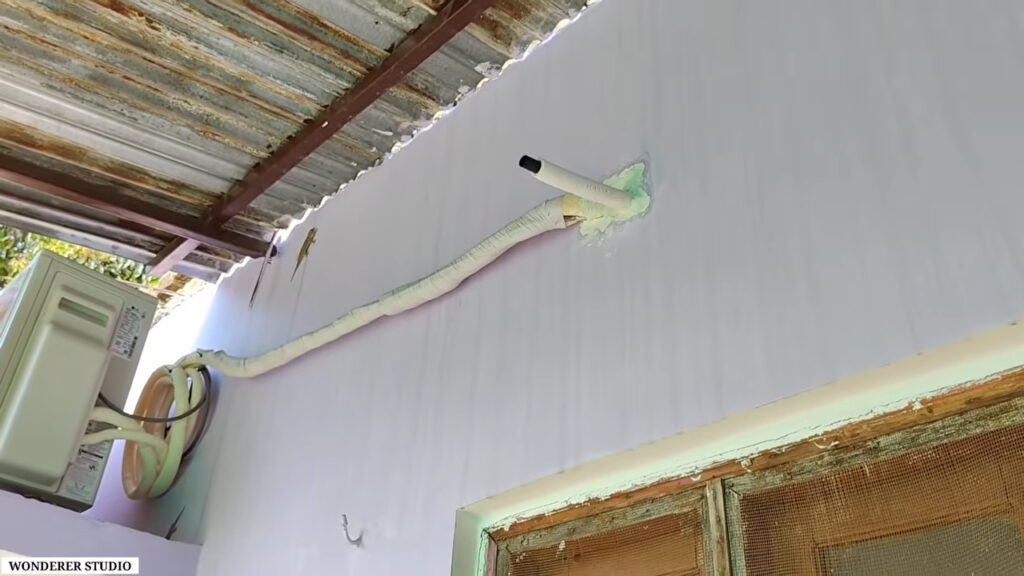
Why It Happens: Dust, algae, mold, and debris build up inside the drain pipe over time and block water flow, causing it to back up and overflow indoors.
What to Do: Clear the blockage using a wet/dry vacuum at the outdoor drain outlet, or flush the line with water mixed with mild vinegar.
Dirty or Clogged Air Filter
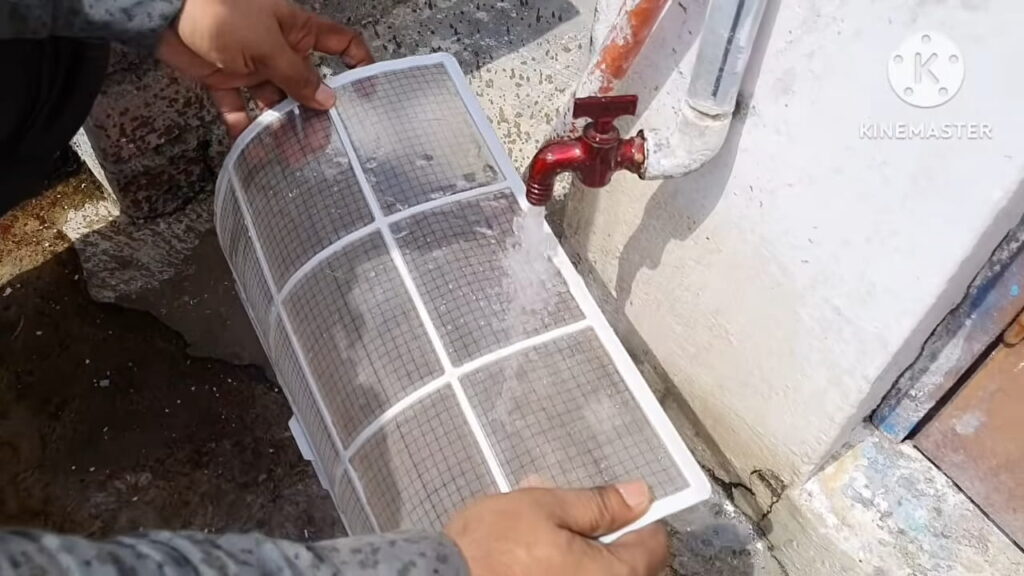
Why It Happens: A blocked filter restricts airflow over the evaporator coil, causing the coil to freeze. When it thaws, excess water overwhelms the drip tray.
What to Do: Remove and wash the filter with mild soap and water, dry it completely, and reinstall. Clean it every 1 to 3 months.
Frozen Evaporator Coil
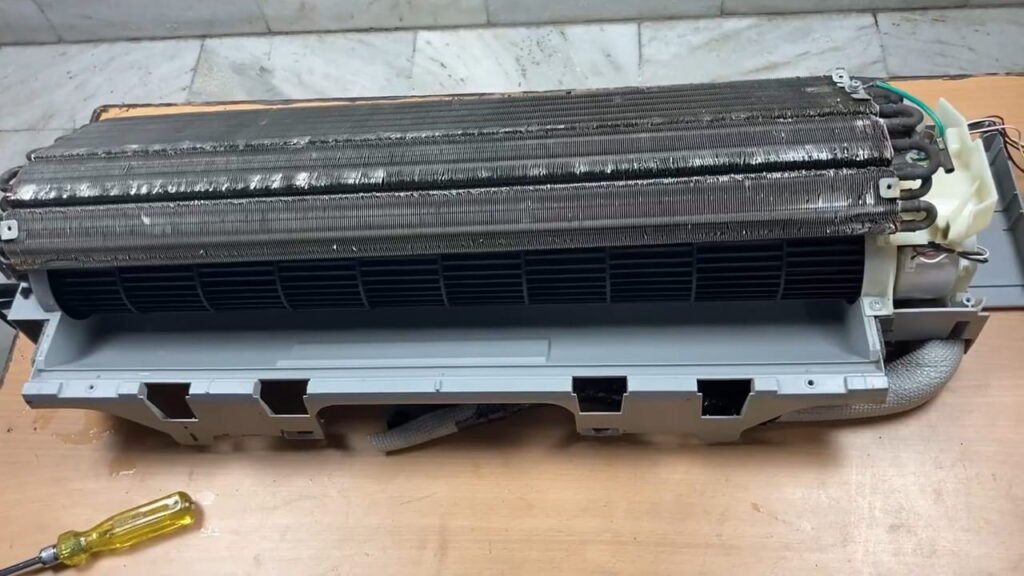
Why It Happens: Restricted airflow from a dirty filter or blocked vents, or low refrigerant, makes the coil too cold. This forms ice that later melts into excess water.
What to Do: Turn off the AC and let the ice thaw fully before restarting. Do not chip away ice, as this can damage the coil.
Low Refrigerant Levels
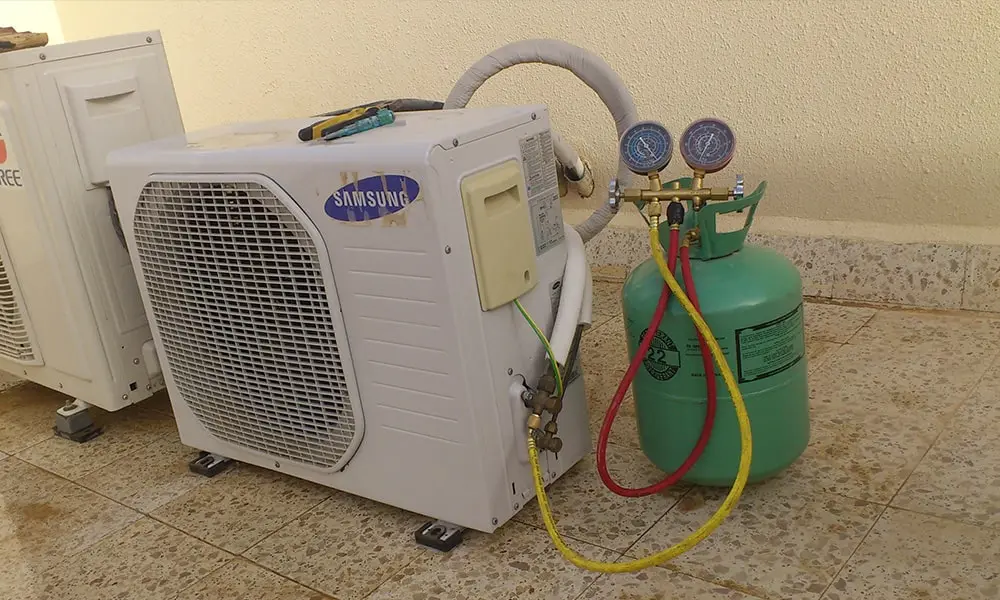
Why It Happens: Low refrigerant lowers coil temperature excessively, causing ice buildup that melts into leaking water once the system cycles off.
What to Do: Contact a professional to check for refrigerant leaks and refill the correct gas level. This is not a DIY task.
For sameday affordable AC gas refilling and leakage service call our experts at +91 9831015086
Broken or Malfunctioning Condensate Pump
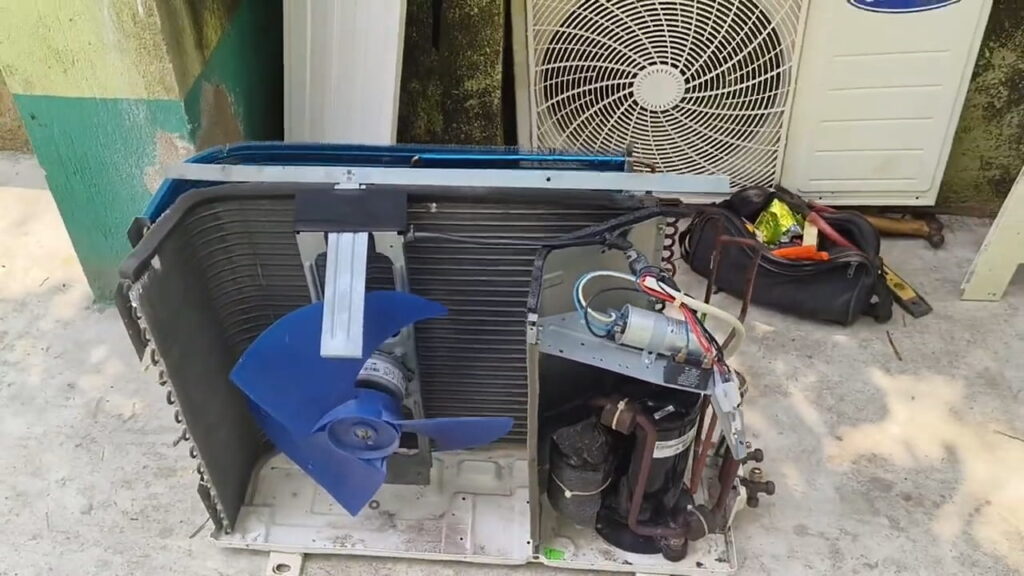
Why It Happens: The pump moves collected water out of the tray. When it fails due to dust or wear, water pools and overflows.
What to Do: Have a technician inspect, repair, or replace the pump.
Improper Installation or Incorrect Unit Tilt
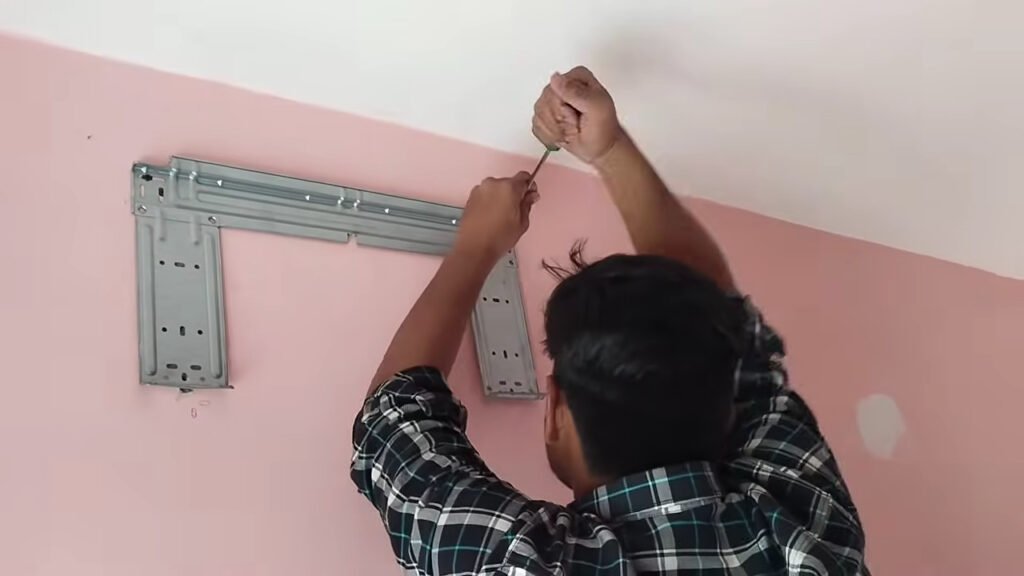
Why It Happens: The indoor unit should tilt slightly toward the drain side. Incorrect leveling causes water to collect and overflow instead of draining out.
What to Do: Have the unit re-leveled or reinstalled by a qualified technician.
Contact us to fix AC installation faults or for reinstallation in Kolkata
Damaged or Rusted Drain Pan
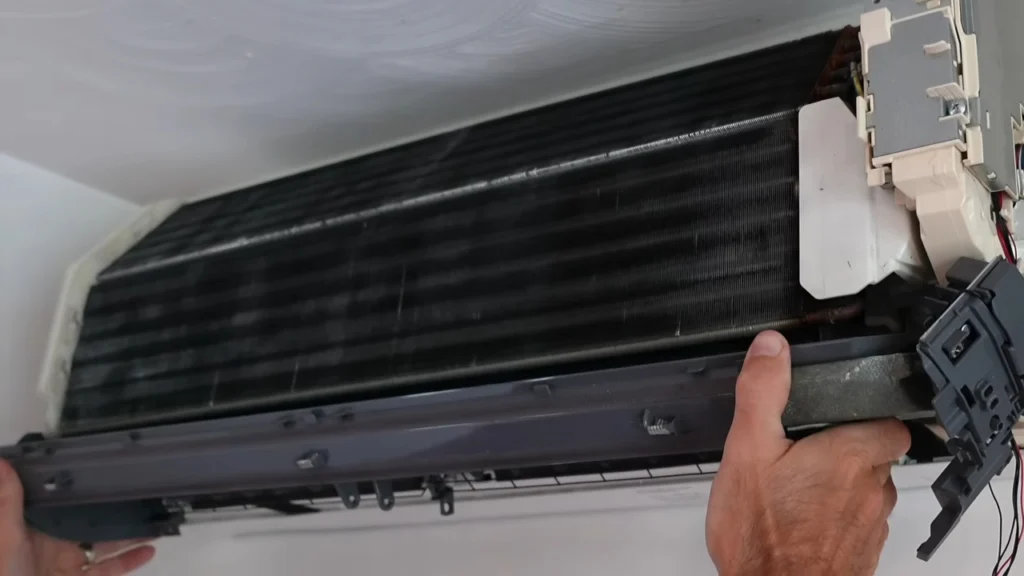
Why It Happens: Over time, the drain pan can crack or corrode, losing its ability to hold and channel water to the drain line.
What to Do: Replace the damaged drain pan. This typically requires professional service.
Dirty Evaporator Coil
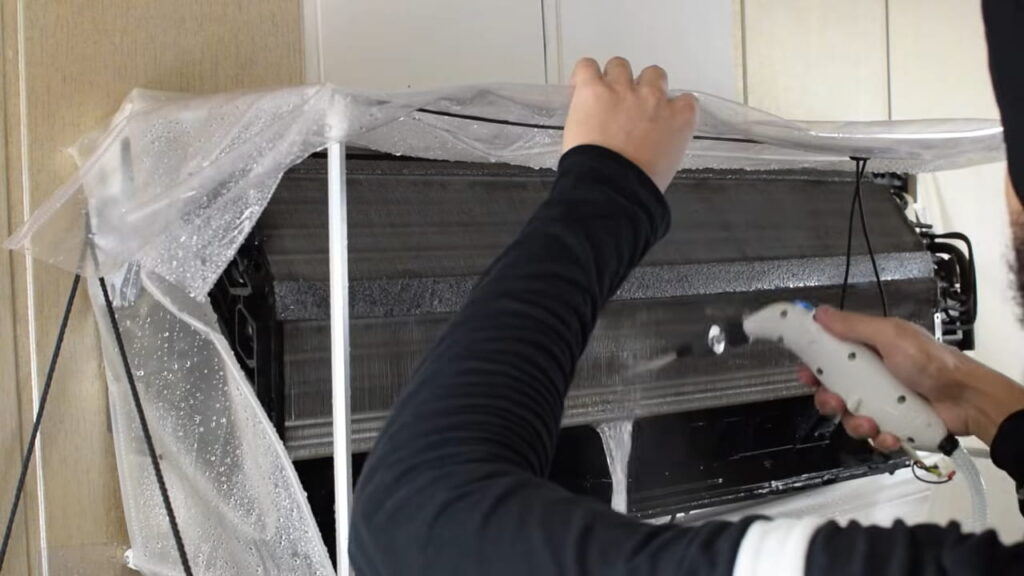
Why It Happens: Dust and dirt buildup on the coil can redirect condensed water away from the drain tray, causing it to drip from the front of the unit.
What to Do: Have the coil professionally cleaned. Avoid spraying water directly on electrical parts if attempting to inspect it yourself.
Damaged or Missing Pipe Insulation (Pipe Sweating)
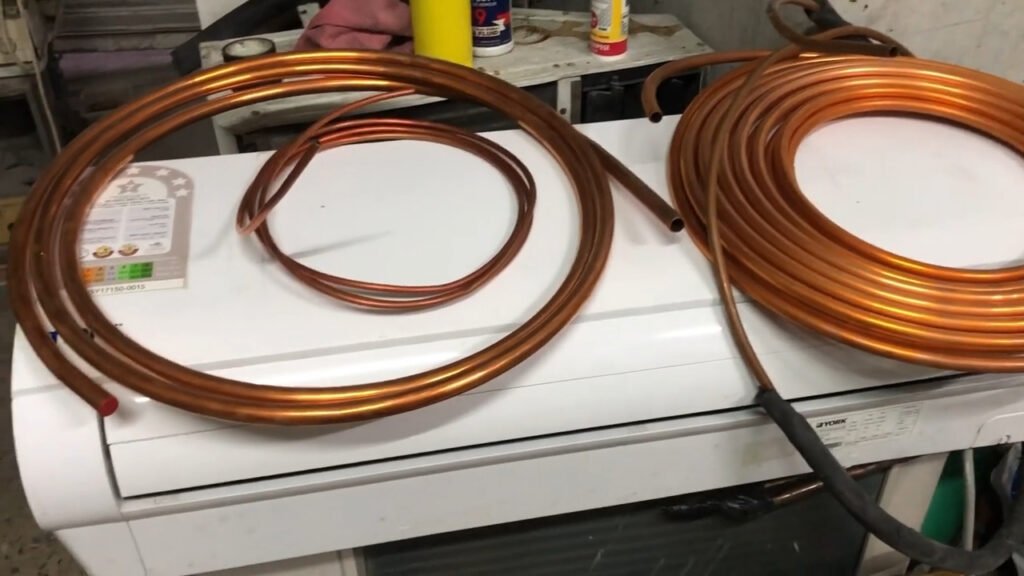
Why It Happens: Exposed copper refrigerant pipes sweat when cold pipes meet humid air, and water droplets travel down to the indoor unit or wall.
What to Do: Re-insulate exposed pipe sections with foam insulation and proper AC insulation tape.
Is a Leaking AC Dangerous? Risks You Should Not Ignore
Water itself is usually not harmful, but ignoring a leak can lead to bigger risks over time.
These risks are why leaks that don’t stop after basic cleaning need professional attention, not repeated DIY attempts.
AVOID These When Your AC Is Leaking
How to Prevent AC Water Leakage Before It Starts?
When to Call a Professional AC Technician?

These signs mean it’s time to bring in a professional rather than continue troubleshooting on your own:
For a safe and lasting fix, it’s best to rely on trained hands. Urban Service Plaza offers professional AC repair and servicing across Kolkata, helping homeowners resolve leaks at the source instead of just the symptoms.
FAQs (Frequently Asked Questions)
Q: Why is water leaking from my indoor AC unit?
Most commonly, it’s due to a clogged condensate drain pipe, dirty air filter, frozen evaporator coil, or low refrigerant causing the coil to freeze and then overflow water.
Q: Is it normal for an AC to leak a little water?
A small amount of condensation, especially in humid weather, is normal. Steady dripping or pooling indoors is not, and it needs attention.
Q: Can I fix an AC water leak myself?
Yes, for basic causes like a dirty filter or blocked drain pipe, you can clean these yourself after turning off the power. Refrigerant or pump issues need a professional.
Q: How do I unclog my AC’s drain pipe?
Use a wet/dry vacuum at the outdoor drain outlet, or flush the line with water mixed with mild vinegar to clear dust, algae, and debris.
Q: Is a leaking AC dangerous?
The water itself isn’t harmful, but leaks left unresolved can cause electrical hazards, mold growth, or damage to walls and ceilings.
Q: How often should I clean my AC to prevent leaks?
Clean or replace the filter every 1 to 3 months and flush the drain line every few months. Schedule professional servicing at least once a year.
Final Takeaways
Water leaking from an indoor AC unit is a common problem, and it’s usually traceable to a clogged drain, dirty filter, frozen coil, or low refrigerant. In most cases, the fix is simpler than it looks.
Basic steps like filter cleaning and drain flushing solve many cases on the spot. But if the leak keeps coming back, it’s a sign the issue needs professional diagnosis before it causes bigger damage.
Regular maintenance, including filter cleaning and annual servicing, remains the best way to prevent leaks going forward. If you need a technician visit in Kolkata, Urban Service Plaza is ready to help you get it sorted safely.


