 Call Technician

AC Not Cooling or Low Cooling Problem – Fix Now With Checklist
Most Common Reasons Your AC Isn’t Cooling
TL;DR
⚠️ Don’t assume it’s a gas problem first. Check these 3 things yourself in 10 minutes: the air filter, the outdoor unit, and the thermostat/mode setting.
| Symptom | Likely Cause | Quick Fix |
|---|---|---|
| Weak airflow, room takes long to cool | Dirty air filter | Remove and wash the filter, dry fully before refitting |
| AC runs but cooling feels weak overall | Dirty blower or evaporator coil | Clean the blower and coil, or get a wet/pressure-wash service |
| Outdoor unit runs but cooling is poor | Blocked or dusty outdoor condenser | Clean the condenser and clear debris around the outdoor unit |
| Cooling reduces slowly over days/weeks | Low refrigerant or gas leak | Get a technician to find and fix the leak, then recharge gas |
| Ice visible on indoor coil or pipes | Ice formation on the coil | Turn off AC, let ice melt fully, then check filter and gas level |
| Outdoor unit runs briefly, trips, or hums | Faulty capacitor | Get the capacitor tested and replaced if weak |
| AC runs but doesn’t cool at all | Wrong thermostat or remote mode | Set mode to Cool (not Fan/Dry), and lower the temperature |
| Compressor struggles to start or trips often | Low input voltage | Check the stabilizer and wiring, ensure correct voltage supply |
| Uneven cooling, AC runs constantly | Oversized or undersized AC for the room | Get a proper tonnage/load check done for your room size |
Hire Our Expert AC Technician for Same Day Home Service in Kolkata
Is your AC running full blast but the room still feels warm? This AC not cooling issue is common in Kolkata’s humid summers. Most people blame low gas, but dirty filters, coils, or blowers are often the real cause. This checklist helps you find the exact problem fast and know when to call a professional.

Step-by-Step Checklist – Diagnose Your AC’s Low Cooling Problem in Minutes
Go through this checklist in order. Most people find the answer within the first three or four steps.
- Is the thermostat or remote set to Cool mode at the correct temperature, not Fan or Dry mode?
- Is the air filter clean? Check and clean it every 2–4 weeks.
- Is the outdoor unit blocked by dust, leaves, or lack of clearance? Keep at least 18 inches of open space around it.
- Is there ice or frost on the indoor coil or copper pipes?
- Is the blower or fan visibly dusty when you check the indoor unit?
- Is the AC making a hissing or bubbling sound? This can point to a gas leak.
- Is the outdoor fan blowing hot air normally, or does it feel only barely warm?
- Has the voltage been fluctuating, or is a stabilizer involved?
- Is the AC undersized for the room it’s cooling?
If you’ve checked all 9 points and the problem is still not clear, the issue likely needs a technician’s tools to diagnose further.
Common Causes of AC Low Cooling and How to Fix Each One
Dirty or Clogged Air Filter
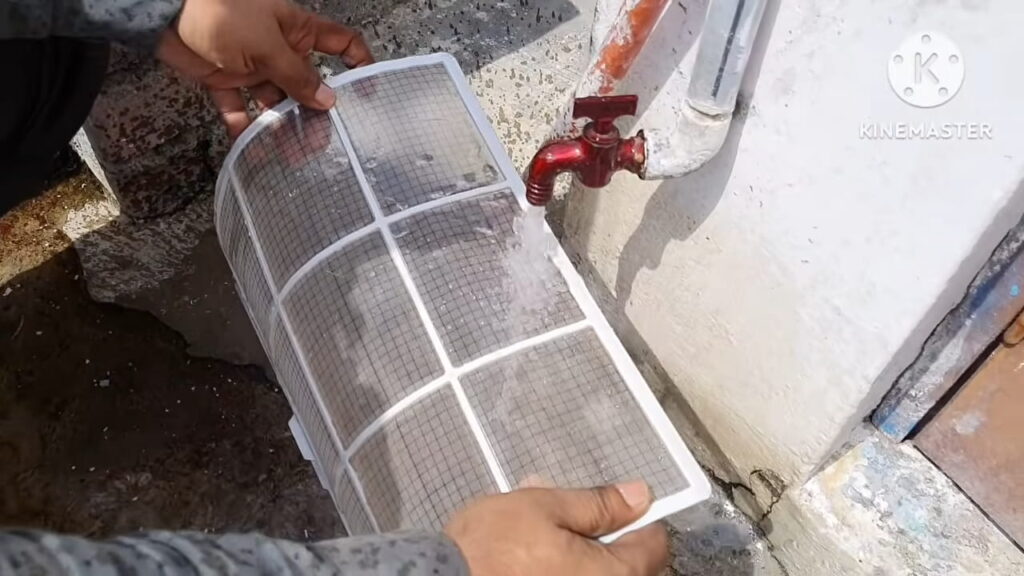
A dirty filter blocks airflow and is the single most common cause of low cooling. Dust builds up over time and chokes the air passing through the unit.
Symptoms
- Weak airflow from vents
- Room takes longer to cool
- Higher electricity consumption
Fix
- Remove the filter from the indoor unit
- Wash it with plain water
- Dry it fully before refitting
- Repeat every 2–4 weeks, especially in dusty areas
DIY Fix
Blocked or Dirty Blower/Indoor Fan
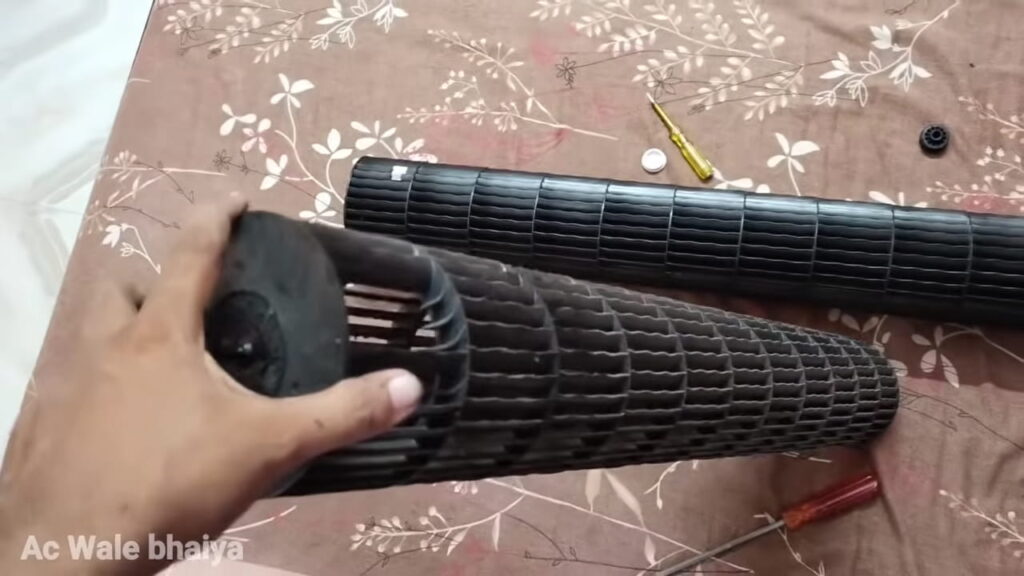
A dusty blower cannot push air properly, so the AC struggles to deliver cool air, much like breathing through a mask. This “suffocated” airflow is a major hidden cause of low cooling.
Symptoms
- Cooling feels weak even after the filter is clean
- AC runs longer to reach the set temperature
- Higher power bills despite normal gas levels
Fix
- Open the indoor unit and inspect the blower wheel
- Clean visible dust yourself with a soft brush
- Book a wet or pressure-wash service if the blower is heavily clogged
DIY or Minor Service
Dirty Evaporator (Indoor Cooling) Coil
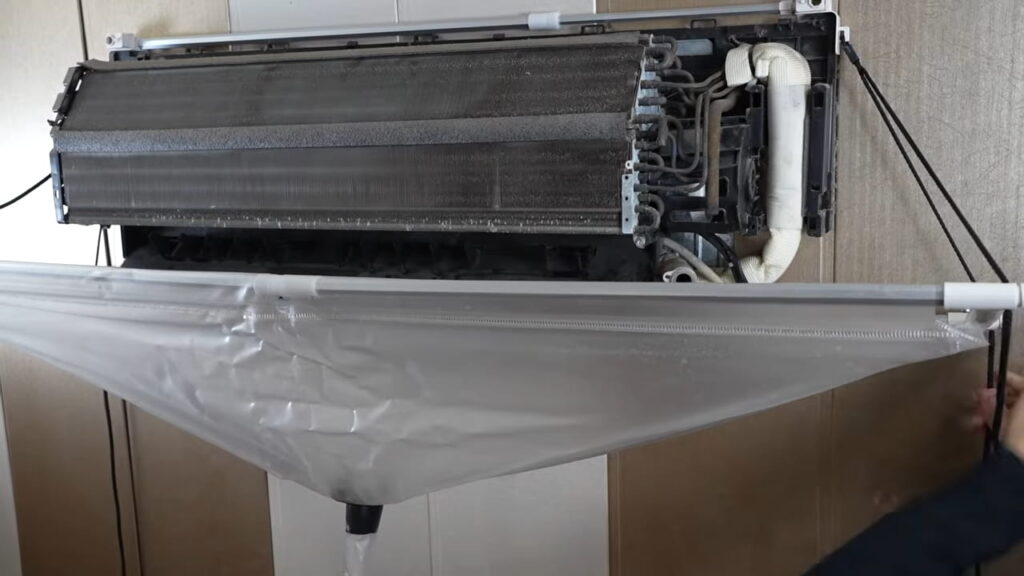
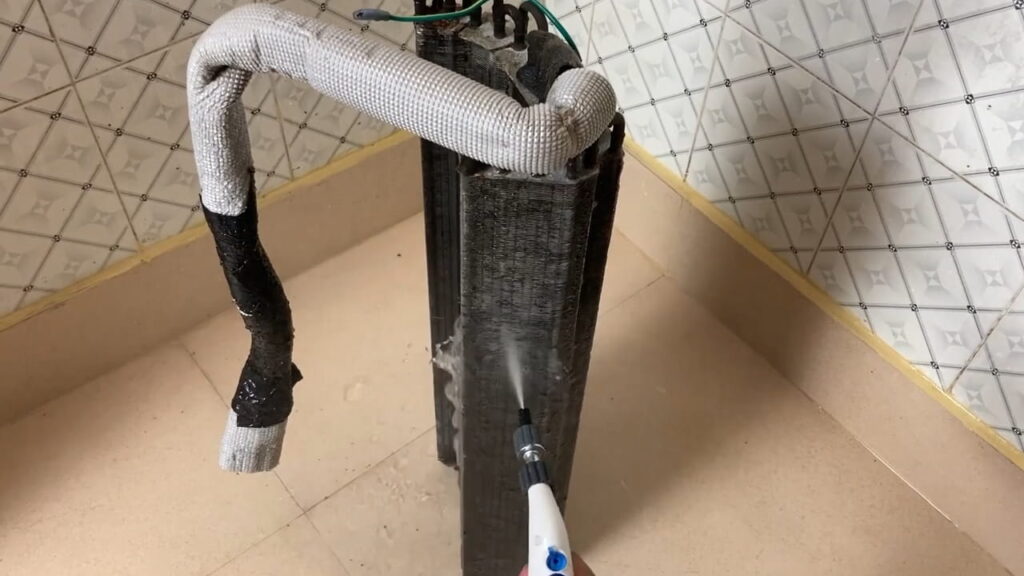
Dust settles on the evaporator coil fins and blocks proper heat exchange. This reduces cooling and can eventually cause the coil to freeze.
Symptoms
- Cooling feels weak despite clean filters
- Coil looks visibly black or dusty
- Ice may form on the coil over time
Fix
- Remove the filter to expose the coil
- Clean light dust yourself with a soft brush
- Get a professional coil cleaning or pressure wash if heavily clogged
DIY or Call Technician
Blocked or Dirty Outdoor Condenser Unit
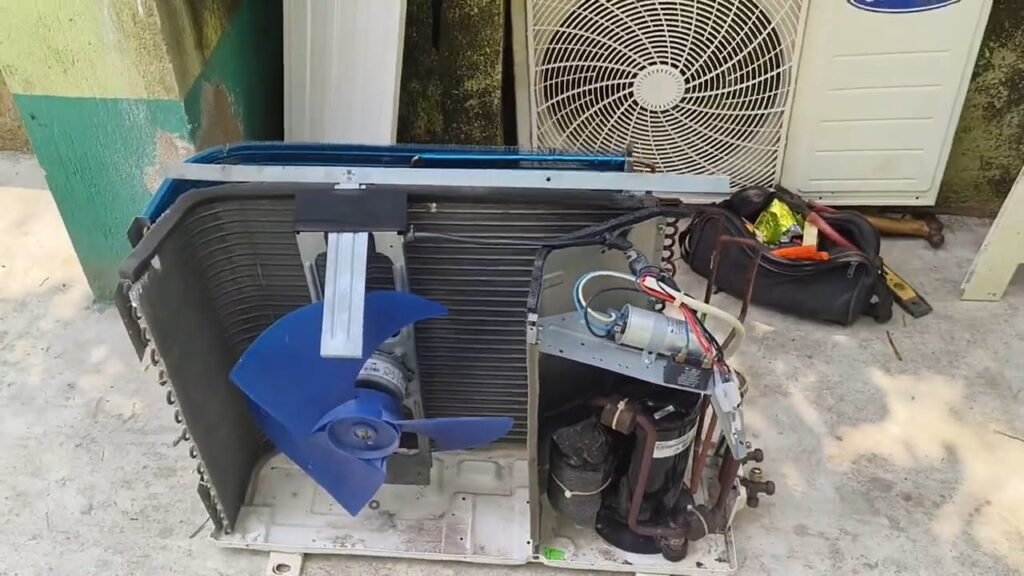
A blocked condenser is the single biggest cause of “not cooling” complaints. Dust and debris trap heat, raising pressure and making the compressor overheat.
Symptoms
- Outdoor unit runs but cooling stays poor
- Compressor overheats or trips after some time
- Higher electricity usage for the same cooling
Fix
- Clear leaves, dust, and debris from around the unit
- Maintain at least 18 inches of clearance on all sides
- Wash the condenser coil with water or a soft brush
- Get a professional wash if heavily choked
DIY or Call Technician
Low Refrigerant (Gas) Level or Leak
Low gas is a real cause of low cooling, but it’s rarer than most people assume. Only about 5 out of 100 low-cooling cases are actually due to gas issues.
Symptoms
- Cooling drops gradually over days or weeks, not suddenly
- Hissing or bubbling sound from the unit
- Ice forms on the thin/suction copper pipe
- Frequent need for gas refilling
Fix
- Do not top up gas without finding the leak first
- Get a technician to locate and repair the leak
- Recharge refrigerant only after the leak is fixed and the system is vacuumed
Call Technician
Frozen/Iced-Up Cooling Coil
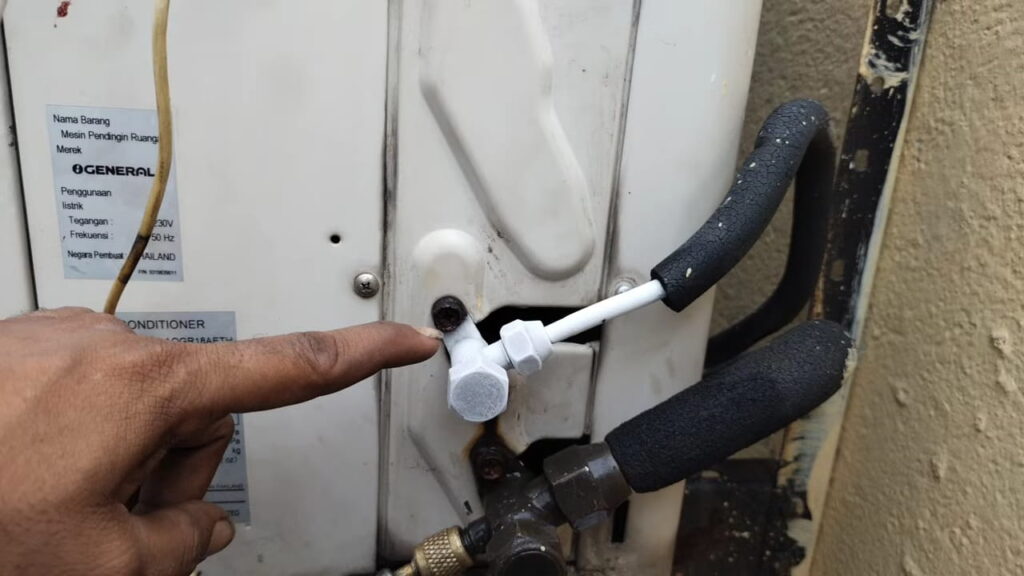
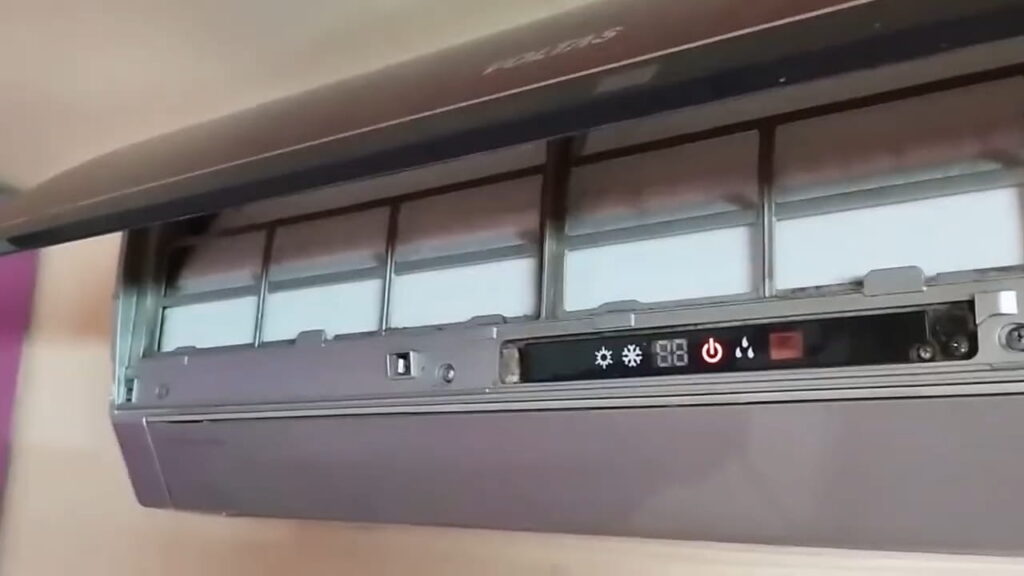
Ice on the coil is usually a symptom, not the root cause. It typically comes from a dirty filter, low airflow, or low gas, all covered above.
Symptoms
- Visible ice on the indoor coil or copper pipes
- Weak or no airflow from the vents
- Water dripping once the unit is switched off
Fix
- Turn off the AC completely
- Let the ice melt fully on its own, do not chip or scrape it off
- Once thawed, check the filter, blower, and gas level to find the root cause
DIY (thawing) + Call Technician (root cause)
Faulty Capacitor (Compressor/Fan Motor)
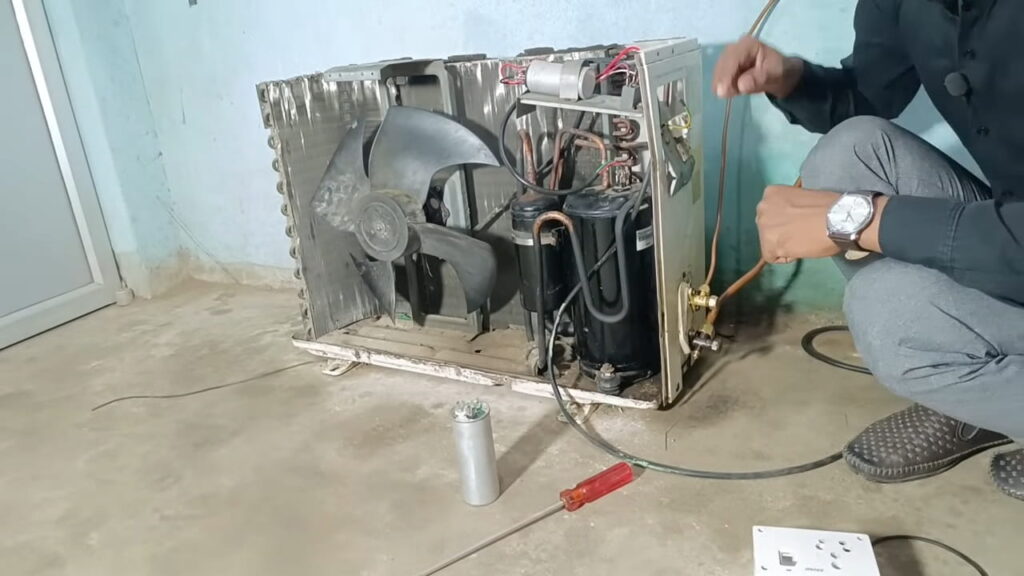
A weak capacitor cannot give the compressor or fan motor enough power to start or run at full speed. This causes slow, weak, or failed operation.
Symptoms
- Outdoor unit hums but doesn’t start properly
- Compressor runs briefly, then trips
- Outdoor fan runs slow or not at all
Fix
- Get the capacitor tested with a multimeter
- Replace it with the correct rating if weak or swollen
Call Technician
Thermostat or Sensor Issues
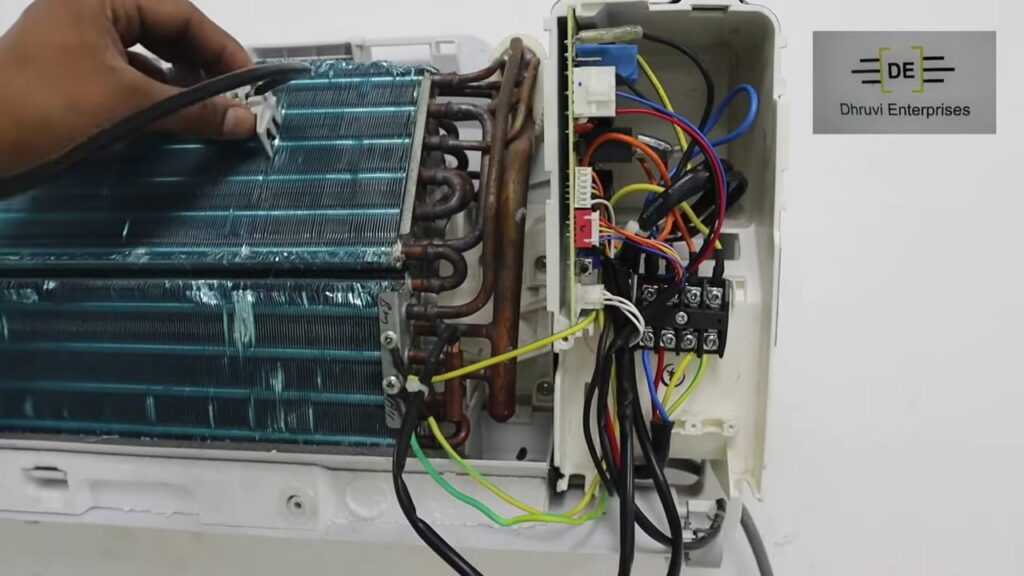
A wrong mode setting, dead remote batteries, or a faulty thermistor can all stop the compressor from working correctly, even when everything else is fine.
Symptoms
- AC runs but never cools, often stuck in Fan or Dry mode
- Compressor cuts off too early or never cuts off
- Inconsistent room temperature
Fix
- Set the remote to Cool mode at a temperature below room temperature
- Replace remote batteries if the display looks weak
- Get the thermistor/sensor tested and replaced if faulty
DIY (mode/batteries) or Call Technician (sensor)
Low or Fluctuating Voltage / Stabilizer Problems
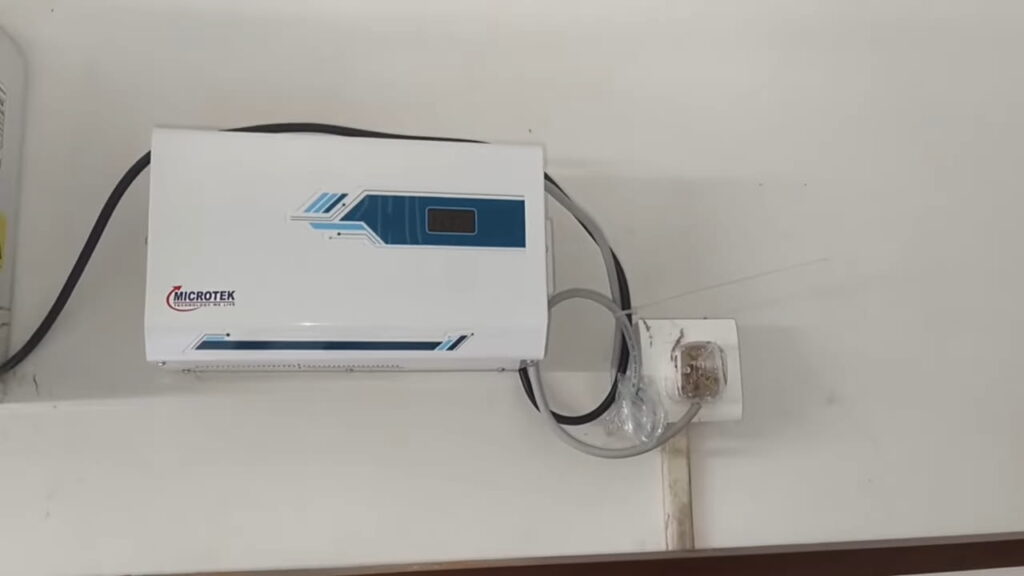
Low voltage forces the compressor to draw more current, which causes overheating and repeated tripping. This is a common issue during peak summer load.
Symptoms
- Compressor struggles to start or trips often
- AC shuts down during high-demand hours
- Stabilizer input and output values don’t match
Fix
- Check stabilizer input-output voltage with a multimeter
- Ensure supply stays close to 220–230V
- Install or replace a stabilizer if voltage is unstable
Call Technician
Incorrect AC Size for Room
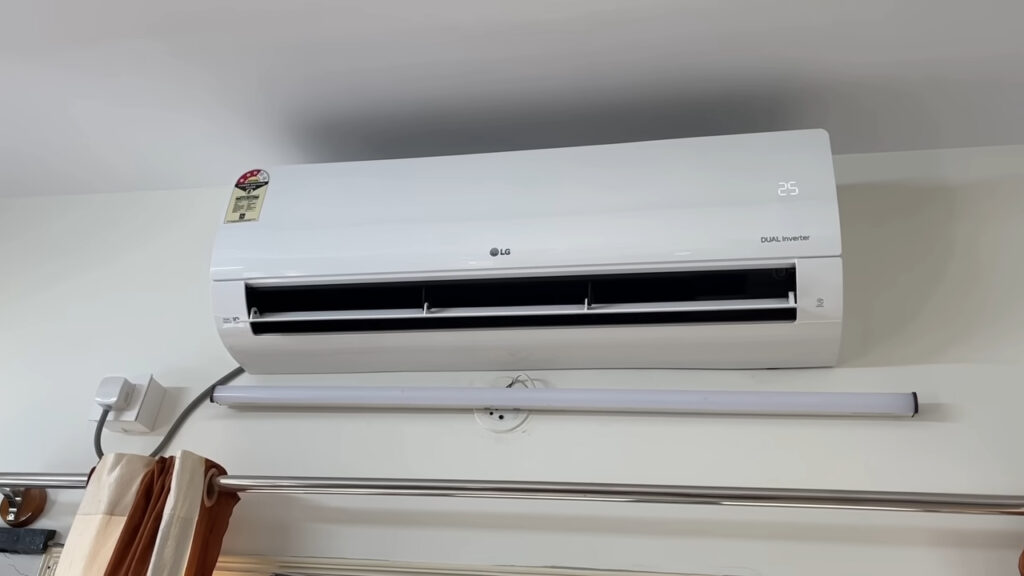
An undersized AC runs constantly but still can’t cool the room. An oversized AC cools too fast and shuts off before properly dehumidifying, leading to short cycling.
Symptoms
- Undersized: AC runs non-stop but room stays warm
- Oversized: AC turns off quickly, room feels cool but humid
Fix
- Get a proper tonnage or heat-load calculation done for the room size
- Replace with a correctly sized unit if the mismatch is confirmed
Call Technician
Loose Electrical Connections/Wiring
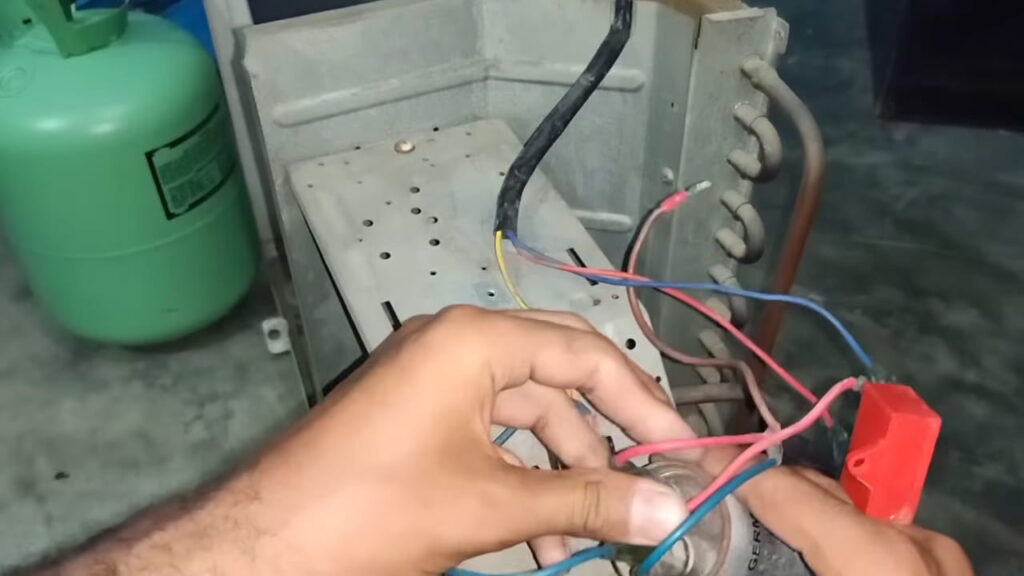
Loose or burnt terminals create resistance in the circuit. This causes a voltage drop at the AC, making the compressor and motors run weak, hot, or trip.
Symptoms
- Compressor or motors run weakly
- Terminals feel hot to touch
- Burning smell near the indoor or outdoor unit
Fix
- Turn off power before inspecting any wiring
- Tighten loose terminal connections
- Replace burnt or damaged wiring and connectors
Call Technician
Is It Really a Gas Problem? Quick Self-Test Before You Call for a Refill
Before agreeing to a gas refill, compare your symptoms against this table. Dirty filters and coils cause far more low-cooling complaints than gas ever does.
| Symptom | Points to Dirty Filter/Coil/Blower | Points to Low Gas or Leak |
|---|---|---|
| When cooling dropped | Sudden drop, or always weak since last service | Gradual drop over days or weeks |
| Ice location | Ice or frost mainly on the indoor coil itself | Ice mainly on the thin/suction copper pipe |
| Thick pipe condition | Thick pipe feels cold and sweaty, as normal | Thick pipe stays warm or barely cools |
| Hissing sound | Not present | Hissing or bubbling sound near indoor/outdoor unit |
| Oil stains near joints | Not present | Oily residue near flare nuts or pipe joints |
| Airflow strength | Weak or low airflow from the vents | Airflow feels normal, but air is not cold |
| Outdoor unit behavior | Outdoor fan and compressor run normally | Outdoor fan blows less hot air than usual |
| Compressor current draw | Normal current draw | Lower than normal current draw (checked with clamp meter) |
| Filter/coil condition | Filter or coil visibly dusty or clogged | Filter and coil are clean |
| Refill history | First time facing the issue | AC needs frequent, repeated gas refilling |
Bottom line: If most of your symptoms match dirty filter/coil signs, clean the filter, coil, and blower first. Only consider a gas refill if the leak-specific signs (thin pipe icing, hissing, oil stains, gradual decline) clearly match.
When to DIY vs. When to Call a Professional?
Not every low cooling issue needs a technician. Use this table to know what’s safe to try yourself, and what’s better left to a professional.
| DIY (Safe to Do Yourself) | Call a Technician |
|---|---|
| Cleaning or washing the air filter | Refrigerant leak detection and gas recharge |
| Checking remote/thermostat settings (Cool mode, correct temperature) | Capacitor replacement (compressor or fan motor) |
| Clearing dust, leaves, and debris around the outdoor unit | PCB or sensor faults |
| Checking for blocked or covered vents | Deep or chemical coil cleaning |
| Letting a frozen coil thaw before rechecking | Electrical wiring and loose terminal issues |
If you’ve gone through the checklist and the problem is still there, it’s likely something that needs proper tools and expertise. Book an AC repair service with Urban Service Plaza for a reliable, doorstep diagnosis in Kolkata. Call 9831015086 or visit contact page to schedule a visit, Monday to Saturday, 10 AM to 7 PM.
How to Prevent Low Cooling Problems in Your AC?
Frequently Asked Questions
Why is my AC running but not cooling the room?
The AC usually runs but doesn’t cool the room due to a dirty filter, blocked blower or coil, or a dusty outdoor unit, not because of gas shortage. Wrong remote settings, like Fan or Dry mode instead of Cool mode, are also a common and easy-to-fix reason.
How often should I clean my AC filter?
Clean the air filter every 2–4 weeks during heavy summer use, or every 7–15 days in very dusty areas. Regular filter cleaning keeps airflow strong and prevents low cooling and ice formation on the coil.
Does low gas always cause low cooling?
No, low gas is actually one of the rarer causes of low cooling. Only about 5 out of 100 cases are due to low refrigerant, while the rest come from dirty filters, coils, blowers, or a blocked outdoor unit.
Can I fix low cooling myself, or do I need a technician?
Many low cooling issues, like a dirty filter, wrong thermostat mode, or a blocked outdoor unit, can be fixed yourself in minutes. But issues like gas leaks, faulty capacitors, PCB or sensor faults, and wiring problems need a trained technician.
How much does it cost to refill AC gas in India?
AC gas refill charges in Kolkata typically range from about ₹1,600 to ₹4,500, depending on the refrigerant type (R22, R32, or R410A) and AC tonnage. Always get the leak repaired first, since refilling gas without fixing the leak leads to the same problem again soon.
How do I know if my AC coil is frozen?
You’ll usually see visible ice or frost on the indoor coil or copper pipes, along with weak or no airflow from the vents. Water dripping after you switch the AC off is another common sign that ice has been forming inside.
When should I call a technician instead of troubleshooting myself?
Call a technician if you notice a hissing or bubbling sound, oil stains near pipe joints, ice that keeps returning after thawing, or if the compressor trips repeatedly. These signs usually point to gas leaks, capacitor faults, or electrical issues that need proper tools and expertise to fix safely.
Most AC low cooling problems come from a dirty filter, coil, blower, or condenser, not gas shortage. Always check these easy things first before assuming a refill is needed.
Regular AC maintenance prevents most issues from returning. If the checklist doesn’t fix it, book a professional AC inspection with Urban Service Plaza.


