 Call Technician

AC Compressor Not Working? Causes, Signs & Fixes
AC running but not cooling? Use our symptom checker to find out if it’s the capacitor, wiring or PCB, and when to call a pro. Read more now!
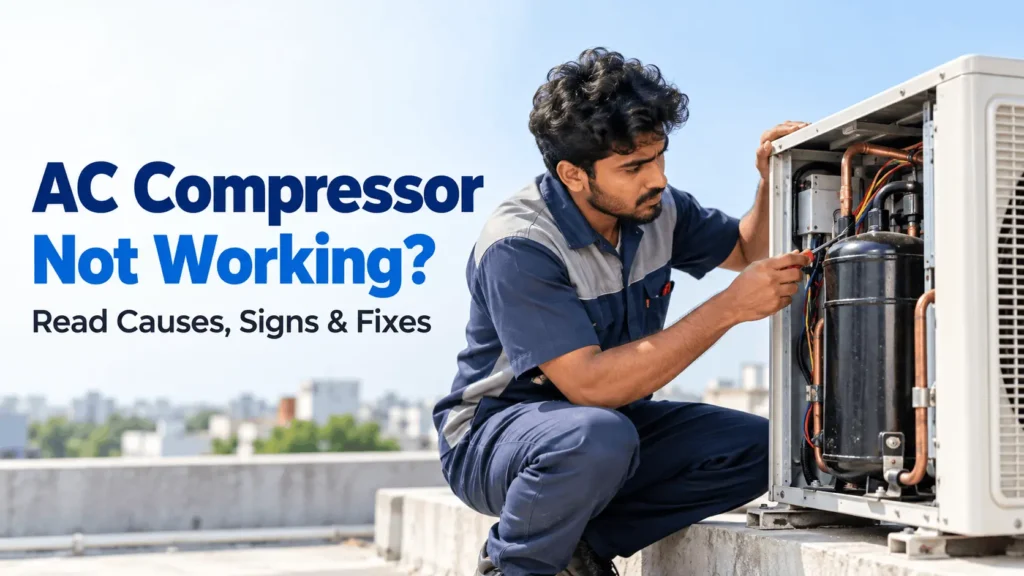
TL;DR: Quick answer
A compressor not working means the AC may run without cooling, or the outdoor unit stays silent.
Power and wiring checks are DIY-safe. Capacitor, PCB, or refrigerant work needs a certified technician.
Symptom Checker: Is Your Compressor Really the Problem?
| What You Notice | What It Likely Means |
|---|---|
| Indoor unit runs, but no cooling happens | Compressor may not be starting at all |
| Outdoor fan runs, compressor stays silent | Compressor is not receiving power or has failed |
| Compressor hums or buzzes, then stops | Weak capacitor or internal compressor fault |
| Compressor starts for 1 second, shuts off | Capacitor failure or overload protection tripping |
| AC draws high current (ampere draw) | Capacitor problem or shorted compressor winding |
| Compressor trips or shuts down repeatedly | Overheating, refrigerant blockage, or wiring fault |
| Outdoor unit shows no vibration or sound | Compressor is not starting, possibly burnt out |
| Return pipe does not become cold | Compressor is not compressing refrigerant properly |

Having AC Compressor Issue? Contact AC Technician for Sameday Repair
When an AC compressor is not working, the unit may run but the air stays warm, or the outdoor unit may stay completely silent. This is one of the most common AC issues, and it’s often misunderstood, many users assume the gas is low when the real problem lies elsewhere.
This guide gives you a quick symptom checklist, explains common causes in simple terms, and shows which problems you can check yourself versus which ones need a trained technician.
Basic Initial Checks (Do This Before Anything Else)
Before troubleshooting further, run through these quick checks:
- Turn off the AC power completely before inspecting anything.
- Check whether the outdoor fan is running normally.
- Look for compressor vibration or normal operating sound.
- Check if voltage is reaching the compressor terminals.
- Inspect wiring for loose, burnt, or disconnected connections.
- Check the terminal cover area for signs of overheating or damage.
Note: These are visual and observational checks only. Avoid opening electrical panels yourself, electrical testing should be handled by a trained technician.
Common Causes of AC Compressor Not Working
Loose or Broken Wire Connection
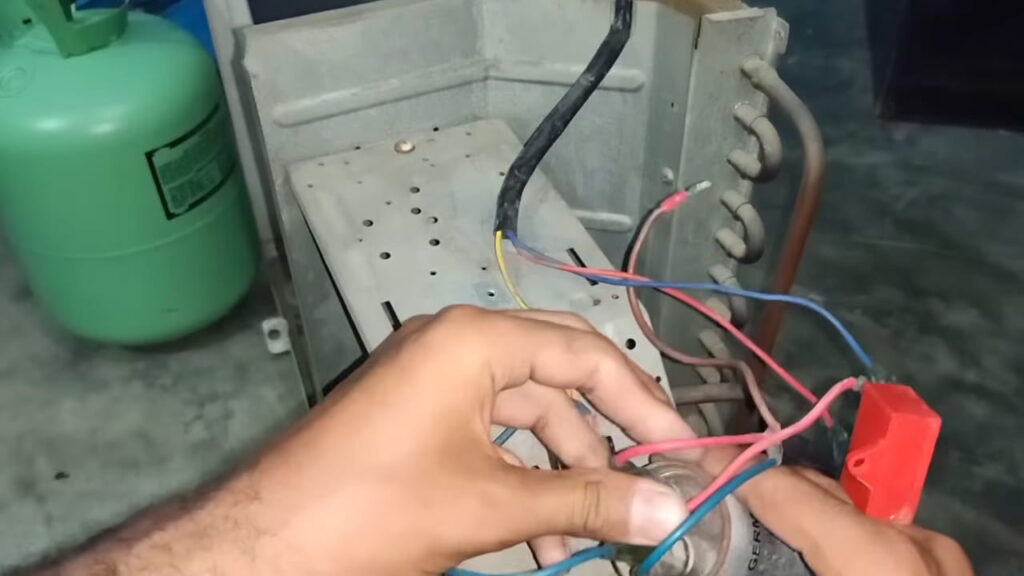
A disconnected or burnt wire near the compressor terminals can stop the compressor from working. This often happens due to vibration, overheating, or a short circuit.
- Solution: Reconnecting and tightening the wire often solves the issue.
Weak or Faulty Capacitor
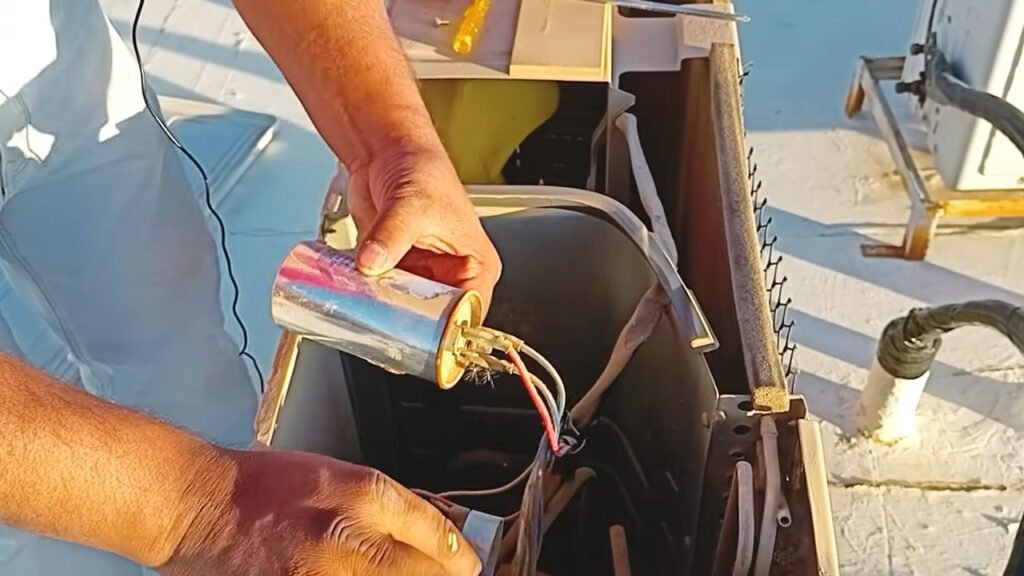
A weak capacitor is one of the most common reasons a compressor fails to start. It can no longer provide the power boost the compressor needs to begin running.
- Symptoms: Compressor hums but does not start; tries repeatedly to start; draws high current; shuts off after a buzzing sound.
- Solution: Replacing the capacitor with the correct rating usually restores compressor operation.
Compressor Internal Mechanical Failure
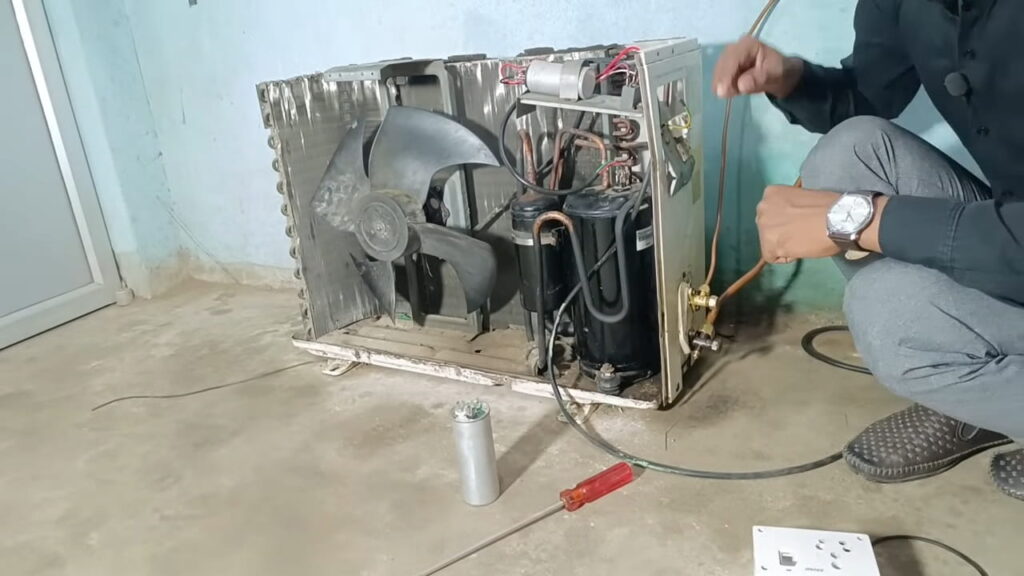
The compressor’s internal rotor and stator can jam or touch each other, causing mechanical failure.
- Symptoms: Loud humming sound, heavy vibration, clicking, then shutdown.
- Solution: This usually requires compressor replacement.
Compressor Shorted or Burnt
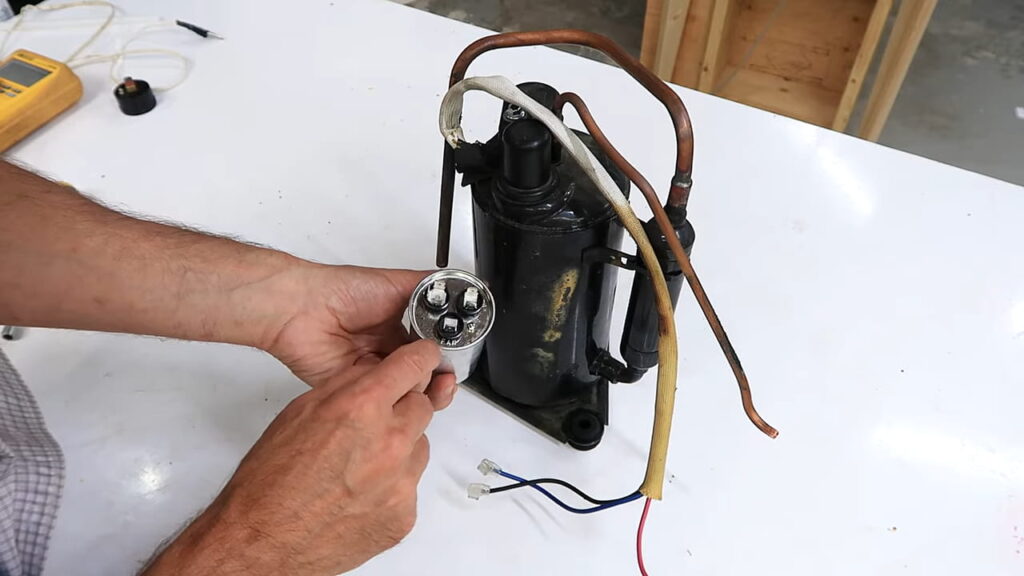
The compressor winding may become shorted internally, often caused by overheating or a blockage in refrigerant flow.
- Symptoms: Excessive current draw, brief start then stop, repeated tripping.
- Solution: Needs professional inspection; compressor replacement is likely.
Refrigerant Line Blockage
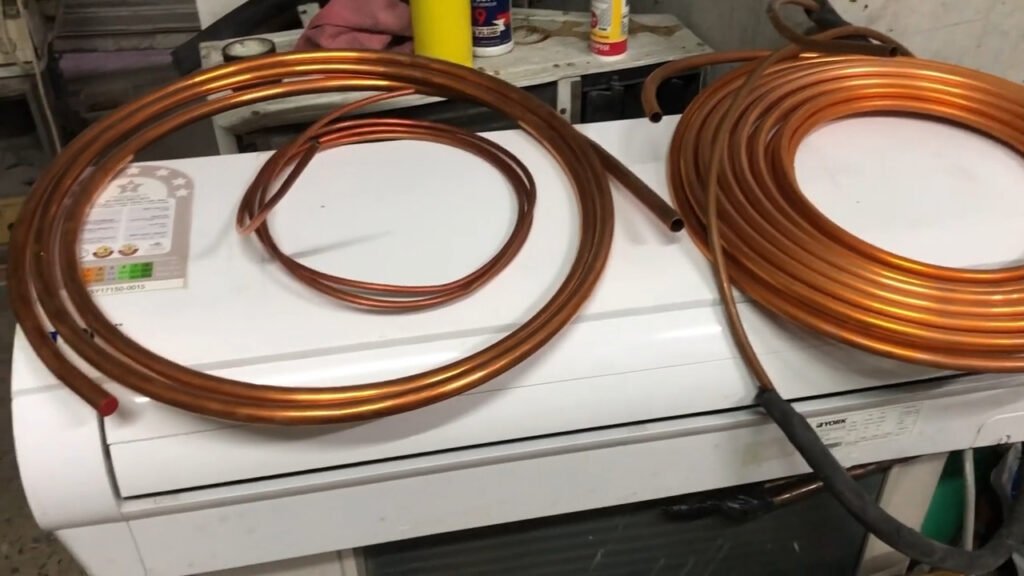
Blocked pipes or pinched copper tubing can stop refrigerant from circulating properly. This is common in inverter AC systems.
- Symptoms: Compressor starts briefly then stops, pressure imbalance, no cooling, overheating.
- Solution: A professional needs to flush or repair the blockage.
Improper Installation
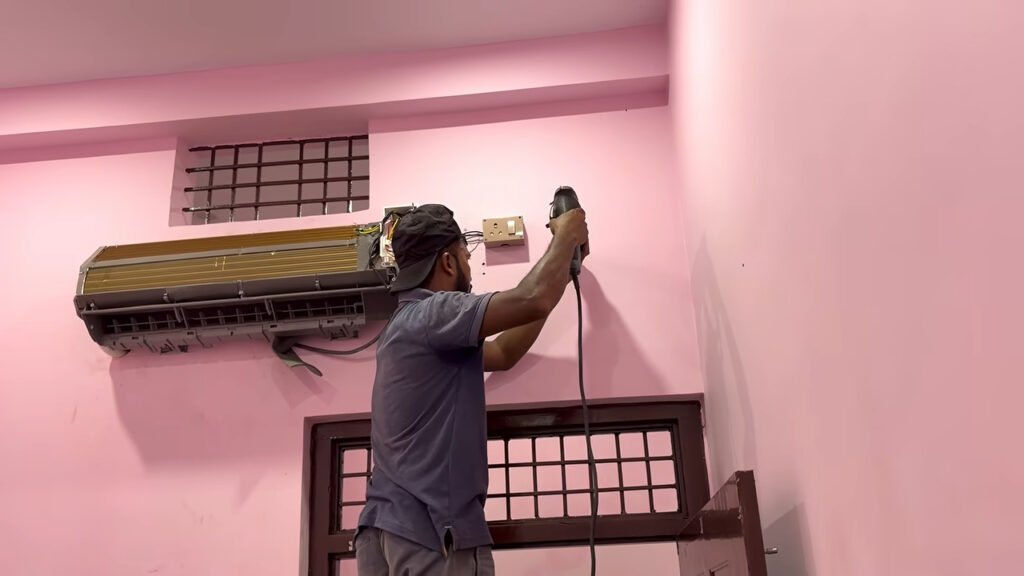
Poor installation practices can damage the compressor early on.
- Causes: Extra unnecessary pipe length, bent or pinched pipes, improper welding or brazing, moisture entering the system, no vacuuming during installation.
- Solution: Correction requires a trained technician; prevention starts with proper installation from the beginning.
PCB or Relay Problems
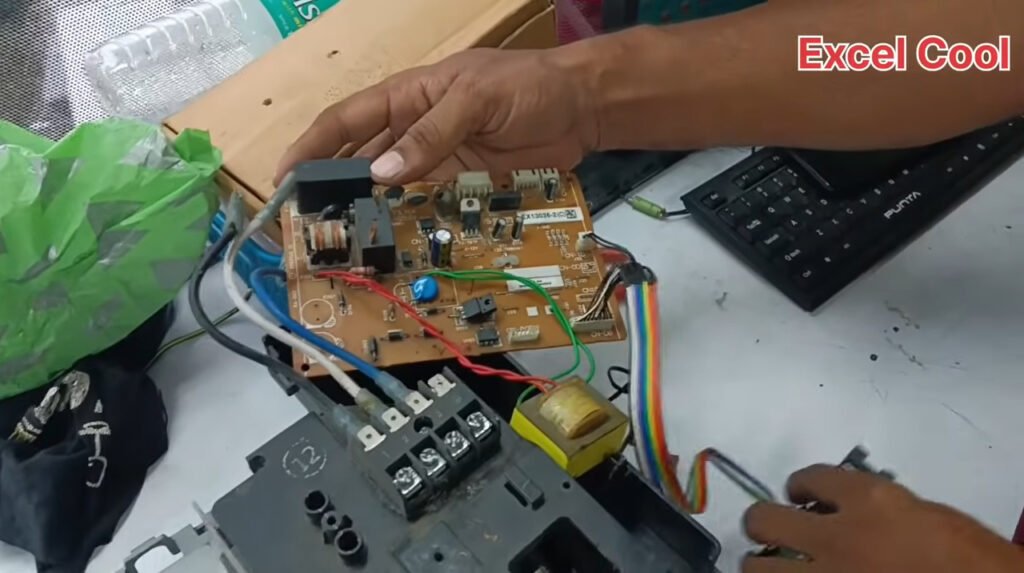
The indoor PCB relay may fail to send power to the compressor, even after the delay timer.
- Solution: This requires voltage testing and PCB inspection by a technician.
Power Supply Issues (Blown Fuse/Tripped Breaker)
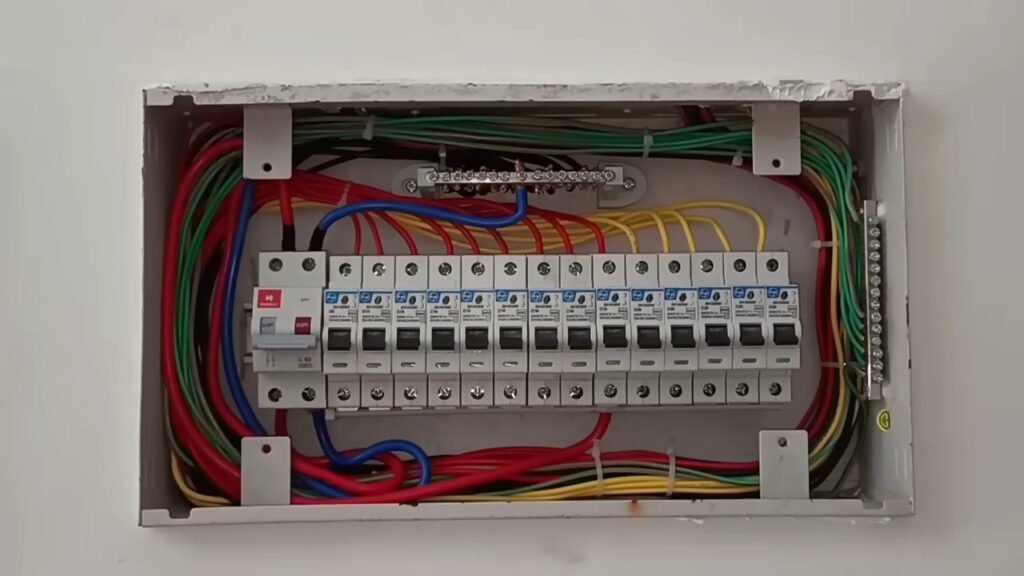
A blown fuse or tripped breaker can stop the compressor from receiving power.
- Solution: Check the breaker or fuse first. Call a certified electrician if wiring or voltage issues are found.
Dirty Condenser Coils / Clogged Refrigerant Lines
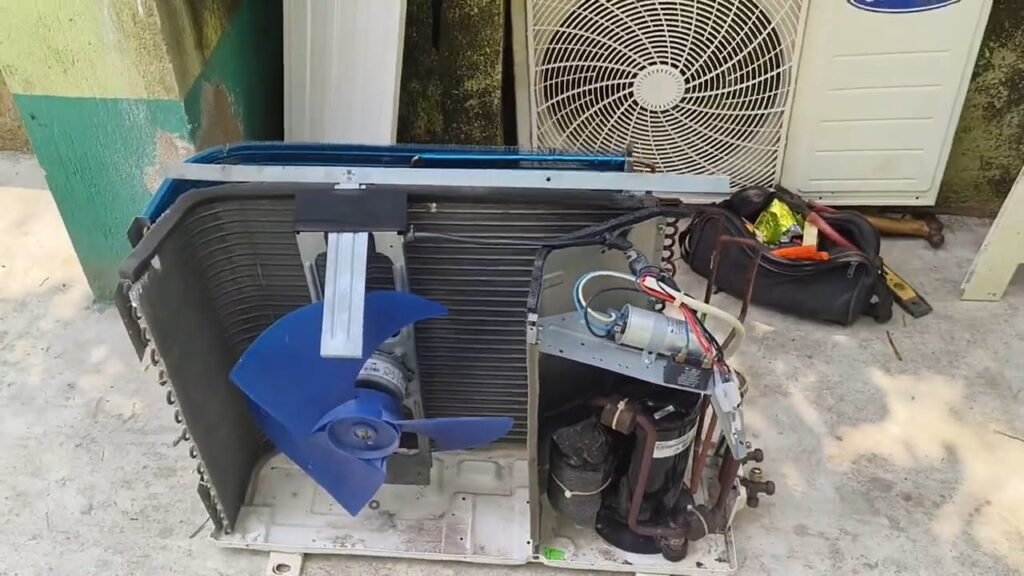
Dust buildup on condenser coils or clogged refrigerant lines can prevent proper heat release.
- Effect: Compressor overheating and added strain on the system.
- Solution: Clean the coils and have refrigerant lines professionally checked.
Quick Reference Table: Cause vs Solution
| Possible Cause | Quick Solution |
|---|---|
| Loose or broken wire connection | Reconnect and tighten wiring |
| Weak or faulty capacitor | Replace capacitor with correct rating |
| Compressor internal mechanical failure | Usually needs compressor replacement |
| Compressor shorted or burnt | Professional inspection; likely replacement |
| Refrigerant line blockage | Professional flush or repair needed |
| Improper installation | Correction by trained technician required |
| PCB or relay problems | Voltage testing and PCB inspection |
| Power supply issues (fuse/breaker) | Check breaker/fuse; call electrician |
| Dirty condenser coils/clogged lines | Clean coils; check refrigerant lines |
DIY-Safe Checks vs What Needs a Professional Technician
| DIY-Safe Checks | Needs a Professional Technician |
|---|---|
| Checking breaker or fuse status | Capacitor replacement |
| Visual wiring inspection (power off) | PCB or relay repair |
| Cleaning air filters | Refrigerant line work |
| — | Compressor replacement |
| — | Voltage testing at compressor terminals |
Warning: Compressors run on high voltage and current. DIY compressor repair is not recommended, always call a trained technician for electrical or refrigerant work.
When to Call a Professional?
Call a technician if you notice any of these signs:
- The AC keeps blowing warm air despite basic checks.
- The compressor won’t turn on even after checking power and wiring.
- Unusual noises continue from the outdoor unit.
- Refrigerant leaks are visible around the pipes.
- The unit vibrates or shakes abnormally.
- Energy bills suddenly rise without a clear reason.
Urban Service Plaza offers AC repair and diagnostic services in Kolkata for compressor-related issues that need professional attention.
Preventive Maintenance Tips to Avoid Compressor Failure
- Schedule professional maintenance at least once a year to inspect the compressor, refrigerant levels, and electrical connections.
- Clean or replace air filters regularly to maintain good airflow and reduce strain on the compressor.
- Clean condenser coils periodically to prevent dust buildup and overheating.
- Repair refrigerant leaks promptly through a certified technician to avoid added pressure on the compressor.
- Keep airflow around indoor and outdoor units unobstructed by removing nearby obstacles.
- Avoid overworking the AC by using energy-saving modes, programmable thermostats, and higher settings when away.
Frequently Asked Questions (FAQ)
Why is my AC compressor not turning on?
Common reasons include power issues like blown fuses or tripped breakers, loose or burnt wiring, a faulty capacitor, or PCB relay problems. Basic checks like power, wiring, and outdoor fan operation can help identify the cause.
Can a bad capacitor stop the compressor from working?
Yes. A weak or faulty capacitor is one of the most common causes. The compressor may hum but not start, try repeatedly to start, or draw high current before shutting off.
Is it safe to repair an AC compressor myself?
No. Compressors run on high voltage and current, and repairs often involve refrigerant handling. DIY repair is not recommended; always call a trained technician.
What causes an AC compressor to trip repeatedly?
Repeated tripping can result from overheating, refrigerant blockage, a shorted compressor winding, or excessive current draw. It may also happen due to dirty condenser coils or clogged filters.
How much does AC compressor replacement cost?
Compressor cost is approximately ₹10,000 to ₹20,000, depending on the brand and AC type. Repair is rare since damage is often irreparable or costs more than replacement.
Can low refrigerant damage the compressor?
Yes. Low refrigerant can cause the compressor to overheat and strain harder to cool the space, which may lead to compressor tripping or long-term damage.
Final Takeaways
Most AC compressor problems trace back to a handful of causes: loose wiring, a faulty capacitor, refrigerant blockage, or PCB relay faults. Recognizing these early can save you from costlier repairs down the line, since ignoring small issues often leads to bigger, more expensive damage.
Use the symptom checklist above to get a quick sense of what’s happening with your compressor. For anything involving electrical testing or refrigerant work, it’s best to contact a certified technician rather than attempting repairs yourself.


