 Call Technician

Find Reconnect AC Error Codes & Fix Now [Finder Tool]
Understand your Reconnect AC error codes quickly. Learn common causes and easy fixes to get your AC cooling again without unnecessary delays or repair costs.
Reconnect split ACs display error or blink codes like E1, E4, P1, and EC when the system detects a fault. These Reconnect AC error codes point directly to the affected part, helping you understand what has gone wrong.
Some codes signal a simple issue you can check yourself, such as a loose connector or a power fluctuation. Others, like PCB failure or a refrigerant leak, need a licensed technician. This guide gives you a quick-reference error code table, common causes, DIY checks, and clear signs it’s time to call a professional like Urban Service Plaza.

Reconnect AC Error Code Finder
Type your error code below to see what it means and the quick fix to try.
Reconnect AC Error Code Chart
Table draft (writer should expand “Quick Fix” wording, keep concise):
| Error Code | Meaning | Quick Fix |
|---|---|---|
| E0 / EH 00 | Indoor unit EEPROM parameter error | Restart AC; reprogram/replace indoor PCB if it repeats |
| E1 / EH 01 / EL 01 | Indoor/outdoor communication error | Check signal wire, terminals, connectors |
| E2 / EH 02 | Zero-crossing signal detection error | Check voltage stability; inspect indoor PCB |
| E3 / EH 03 | Indoor fan speed out of control | Inspect fan motor wiring and connector |
| E4 / EH 60 | Room temperature sensor (T1) fault | Check sensor wiring; measure resistance |
| E5 / EH 61 | Evaporator coil sensor (T2) fault | Check sensor wiring; measure resistance |
| E7 / EH 06 | Indoor PCB/display communication error | Check display cable; reseat connectors |
| EC / EL 00 | Refrigerant leak detected | Stop use; call technician for leak check |
| F0 / PC 08 | Overload current protection | Check compressor current and refrigerant charge |
| F1 / EC 53 | Outdoor ambient sensor (T4) fault | Check sensor wiring; measure resistance |
| F2 / EC 52 | Condenser coil sensor (T3) fault | Inspect sensor wiring; replace if faulty |
| F3 / EC 54 | Compressor discharge sensor fault | Check discharge sensor and wiring |
| F4 / EC 51 | Outdoor unit EEPROM error | Restart AC; check outdoor PCB |
| F5 / EC 07 | Outdoor fan speed out of control | Check fan motor wiring and supply voltage |
| P0 / PC 00 | IPM/IGBT overcurrent protection | Check compressor winding; test IPM |
| P1 / PC 01 | Over/under voltage protection | Check mains voltage; use stabilizer |
| P2 / PC 02 | IPM/compressor overheating | Clean condenser; check outdoor fan |
| P4 / PC 04 | Inverter compressor drive error | Check compressor windings and inverter PCB |

Hire Our Expert Reconnect AC Technician in Kolkata for Sameday Service
How to Read the Reconnect AC Error Code Display?
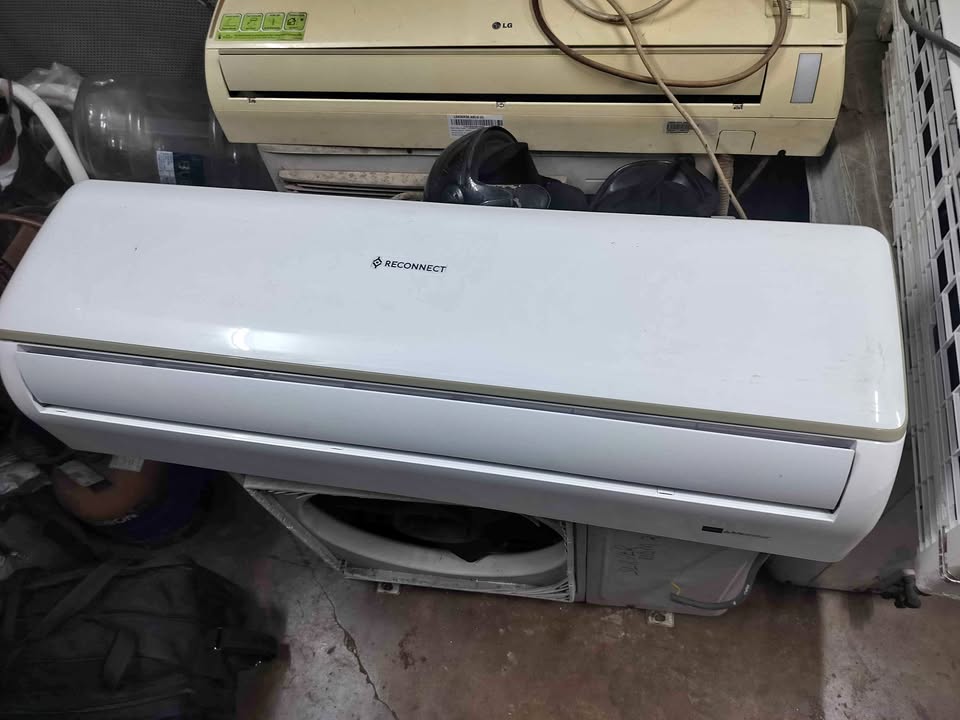
Reconnect ACs communicate faults in one of two ways. Some models show a digital error code directly on the indoor unit display, like E1 or F2. Others use LED blink patterns instead, where the number of blinks corresponds to a specific fault. Knowing which type your unit uses helps you diagnose the problem correctly.
Before you diagnose any code:
First Thing to Try for Any Error Code
Before diving into specific error codes, try this universal reset. It resolves many temporary faults caused by power fluctuations or minor glitches, without needing any tools or technical knowledge.
Universal reset checklist:
- Turn off the AC and disconnect power for 5 to 10 minutes.
- Restart the unit and check whether the error code clears.
- If the error returns, inspect visible wiring and connectors for looseness or damage.
- Note the exact error code again before moving to detailed diagnosis.
Caution: Only perform visual inspections with the power switched off. Do not open PCB covers or attempt internal repairs without proper electrical know-how. AC PCB repair requires technical expertise and not advised to open it.
Reconnect AC Error Codes Explained – Causes & Fixes
E0 / EH 00 – Indoor Unit EEPROM Parameter Error
This code means the indoor PCB’s memory has a parameter error.
Possible Causes
- Corrupted EEPROM data inside the PCB.
- A faulty indoor PCB.
What to Do
- Turn off power for 5 to 10 minutes, then restart the unit.
- Check all PCB connectors for a loose fit.
- Reprogram or replace the indoor PCB if the error keeps appearing.
Not confident fixing Reconnect AC errors yourself? Contact Urban Service Plaza, Kolkata’s best AC service centre for out-of-warranty AC repairs – no advance booking charges, 15-day service guarantee.
E1 / EH 01 / EL 01 – Indoor & Outdoor Communication Error
This code shows the indoor and outdoor units cannot talk to each other.
Possible Causes
- A broken, disconnected, or damaged communication wire, often the black signal wire.
- Loose wiring terminals.
- A faulty indoor or outdoor PCB.
- In some cases, a room temperature sensor fault.
What to Do
- Disconnect AC power before inspecting anything.
- Check the communication cable and tighten all terminal connections.
- Inspect connectors on both PCBs and measure the supply voltage.
- Replace the faulty PCB if the communication hardware is damaged.
E2 / EH 02 – Zero-Crossing Signal Detection Error
This code appears when the AC’s zero-cross signal is missing or unstable.
Possible Causes
- A faulty indoor PCB.
- Power supply abnormalities.
- Electrical noise interference.
What to Do
- Verify that input voltage is stable.
- Check the indoor PCB components for damage.
- Replace the PCB if the problem continues.
E3 / EH 03 – Indoor Fan Speed Out of Control
This code means the indoor fan isn’t running at its expected speed.
Possible Causes
- A defective fan motor.
- A loose motor connector.
- A faulty indoor PCB or damaged wiring.
What to Do
- Inspect the fan motor wiring for damage.
- Check that the connector is properly seated.
- Test the motor’s operation and replace the fan motor or PCB if needed.
E4 / EH 60 – Room Temperature Sensor (T1) Error
This code points to a fault in the room temperature sensor circuit.
Possible Causes
- A faulty temperature sensor.
- Broken or rodent-damaged sensor wiring.
- A loose connector or indoor PCB fault.
What to Do
- Inspect sensor wiring closely for damage, including rodent bites.
- Reconnect any loose sensor connectors.
- Measure sensor resistance and replace the sensor or PCB if faulty.
E5 / EH 61 – Evaporator Coil Sensor (T2) Error
This code indicates the evaporator coil sensor has an open or short circuit.
Possible Causes
- A failed T2 sensor.
- Wiring damage or a PCB fault.
What to Do
- Check the sensor’s resistance with a multimeter.
- Repair any damaged wiring you find.
- Replace the sensor or indoor PCB if the fault remains.
E7 / EH 06 – Indoor PCB / Display Board Communication Error
This code means the indoor display PCB cannot communicate with the main PCB.
What to Do
- Check the display cable for damage.
- Reseat all connectors firmly.
- Replace the faulty PCB if the error doesn’t clear.
EC / EL 00 – Refrigerant Leakage Detection
This code signals the AC has detected a possible refrigerant leak.
Possible Causes
- Actual refrigerant leakage or low refrigerant charge.
- Faulty leak detection logic.
- An outdoor PCB failure.
What to Do
- Check for visible oil leaks and perform a pressure test.
- Repair any leaks found and recharge refrigerant to specifications.
- If refrigerant levels are normal, inspect and replace the outdoor PCB if faulty.
Safety note: Refrigerant handling requires a certified technician. Do not attempt a DIY recharge. Contact our AC service technician for low cost AC gas filling service in Kolkata & nearby areas. Call: 9831 015 086
F0 / PC 08 – Overload Current Protection
This code means the compressor current has exceeded safe limits.
Possible Causes
- Compressor overload.
- High system pressure.
- An outdoor PCB fault.
What to Do
- Check the compressor current draw.
- Verify the refrigerant charge is correct.
- Inspect the inverter PCB for faults.
F1 / EC 53 – Outdoor Ambient Temperature Sensor (T4) Error
This code shows the outdoor ambient sensor has an open or short circuit.
What to Do
- Check the sensor wiring for damage.
- Measure the sensor’s resistance.
- Replace the sensor if it’s found defective.
F2 / EC 52 – Condenser Coil Temperature Sensor (T3) Error
This code indicates the condenser temperature sensor has failed.
What to Do
- Inspect the sensor wiring carefully.
- Replace the sensor if it is confirmed faulty.
F3 / EC 54 – Compressor Discharge Temperature Sensor Error
This code means the compressor discharge sensor has an open or short circuit.
What to Do
- Check the discharge sensor and its wiring.
- Replace the sensor if necessary.
F4 / EC 51 – Outdoor Unit EEPROM Parameter Error
This code points to an EEPROM failure in the outdoor PCB.
What to Do
- Restart the AC to see if the error clears.
- Check all PCB connections for a secure fit.
- Replace the outdoor PCB if the EEPROM is damaged.
F5 / EC 07 – Outdoor Fan Speed Out of Control
This code means the outdoor fan speed cannot be controlled correctly.
Possible Causes
- A faulty outdoor fan motor.
- A wiring issue or PCB fault.
What to Do
- Check the motor wiring for damage.
- Measure the supply voltage.
- Replace the fan motor or outdoor PCB if needed.
P0 / PC 00 – IPM / IGBT Overcurrent Protection
This code means the inverter module has detected excessive current.
Possible Causes
- A shorted compressor.
- A failed IPM or faulty inverter PCB.
What to Do
- Check the compressor winding resistance.
- Test the IPM for faults.
- Replace the inverter PCB if necessary.
P1 / PC 01 – Over Voltage / Under Voltage Protection
This code appears when input voltage falls outside the safe range.
Possible Causes
- Supply voltage below 220V or above 240V.
- Frequent voltage fluctuations.
- A faulty outdoor inverter PCB.
What to Do
- Measure mains voltage; normal operating range is approximately 220–240 VAC.
- Install a voltage stabilizer if the supply fluctuates often.
- Check and replace the outdoor PCB if its output voltage is abnormal.
P2 / PC 02 – IPM Module / Compressor High Temperature Protection
This code means the inverter module or compressor has overheated.
Possible Causes
- A dirty condenser.
- Cooling fan failure.
- Refrigerant issues.
What to Do
- Clean the condenser thoroughly.
- Verify the outdoor fan is running correctly.
- Check the refrigerant pressure.
P4 / PC 04 – Inverter Compressor Drive Error
This code means the inverter drive cannot control the compressor.
Possible Causes
- Compressor failure.
- Inverter PCB failure.
- A wiring fault.
What to Do
- Check the compressor windings.
- Inspect the inverter PCB.
- Verify all compressor wiring connections.
General Safety Tips Before You Troubleshoot
Warning: Refrigerant, PCB, and compressor work involves electrical and chemical risk. DIY efforts should be limited to wiring checks and power resets, not component replacement.
When to Call a Professional AC Technician?
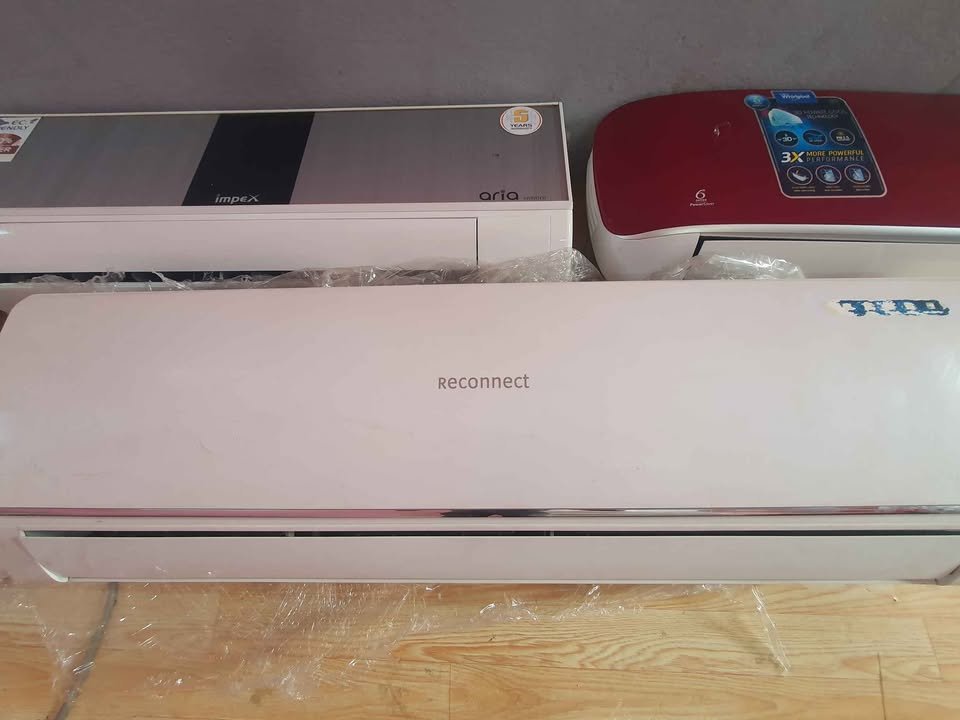
Some error codes signal issues beyond basic wiring checks and require expert attention. Watch for these red flags:
If you notice any of these signs, it’s time to call in an expert. Urban Service Plaza offers doorstep AC repair across Kolkata, servicing all AC brands even if they’re out of warranty or your AMC has expired. As an ISO 9001:2015 certified service provider, they bring trusted, professional care right to your home.
Key Takeaways
Most Reconnect AC error codes trace back to wiring faults, sensor issues, PCB errors, or voltage fluctuations. A simple power reset resolves many of these problems without any tools or technical skill.
However, codes linked to PCB damage, refrigerant leaks, or compressor faults need professional service. If your Reconnect AC error code persists after basic checks, book a technician with Urban Service Plaza for reliable, doorstep repair in Kolkata.


