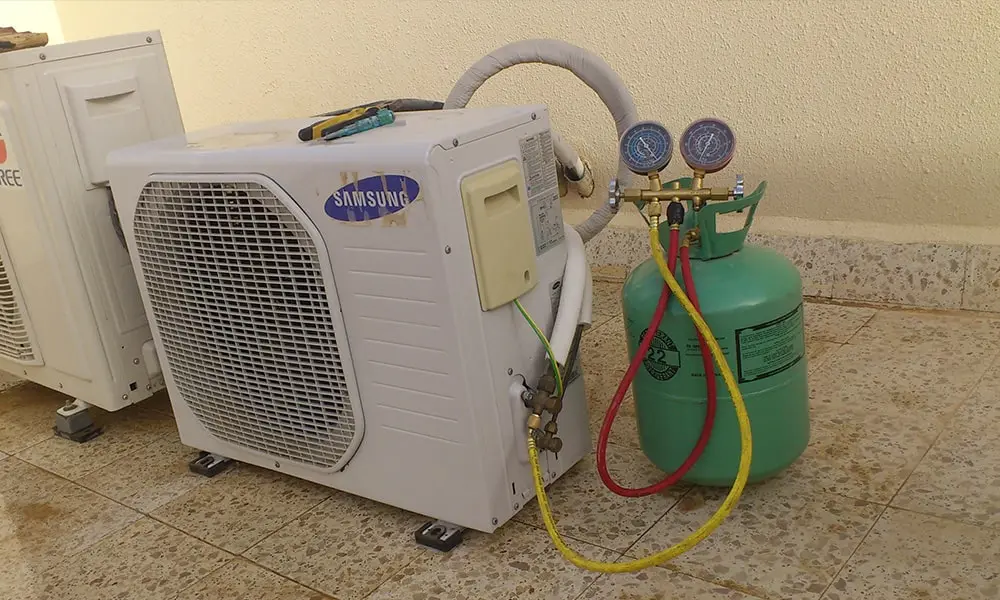
Aircon outdoor units not working is one of the most common AC complaints. The indoor unit may still blow air, but the room does not cool because the compressor and fan outside are not running. The cause can range from a simple tripped breaker to a serious compressor or PCB fault.
This guide helps you find the problem fast and avoid costly mistakes. It includes a quick diagnosis table to identify the issue in seconds, step-by-step checks anyone can do safely, and clear signs of when to stop and call a technician.
AC Outdoor Not Working? Call AC Technician Today in Kolkata
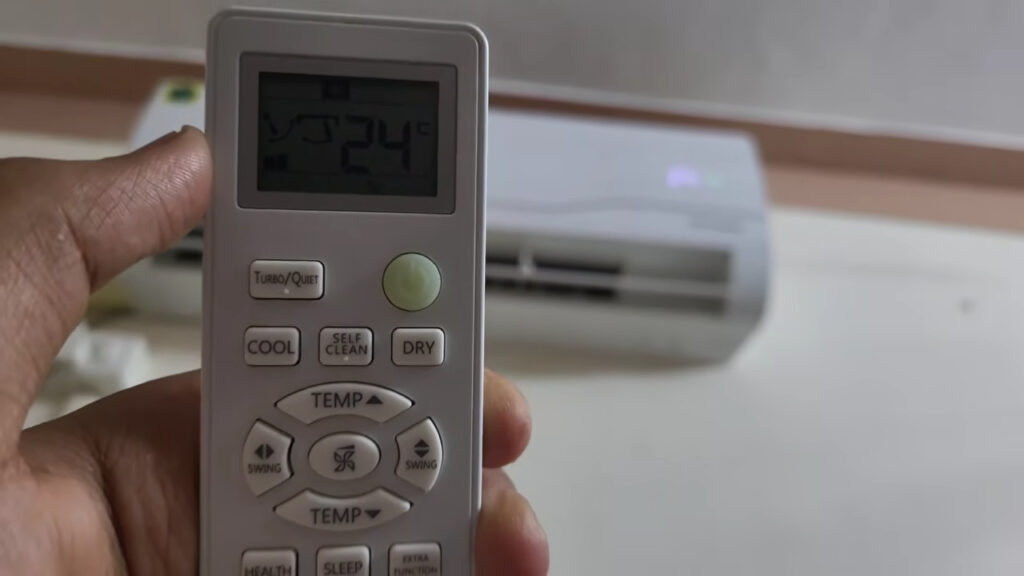
Run the AC in cooling mode for 5 to 10 minutes before you inspect the outdoor unit.
Remember that most ACs have a built-in compressor delay of 2 to 5 minutes for protection.
Set the thermostat temperature lower than the current room temperature.
Set the fan speed to high for accurate testing.
Turn off the main power before you touch any wiring or open any covers.
What You Should Not Attempt Yourself?
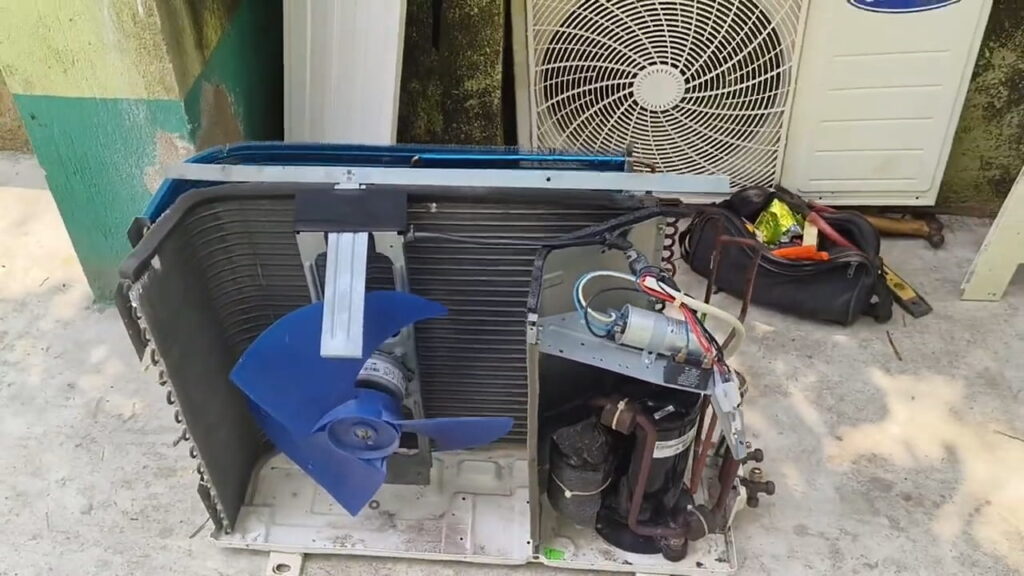
Opening the outdoor unit to repair the compressor. It contains sealed parts that need special tools and professional handling. Call the warranty center or a professional technician instead.
Fixing or topping up refrigerant. Leak detection, vacuuming, and recharging need a qualified technician, so do not attempt this as a DIY repair.
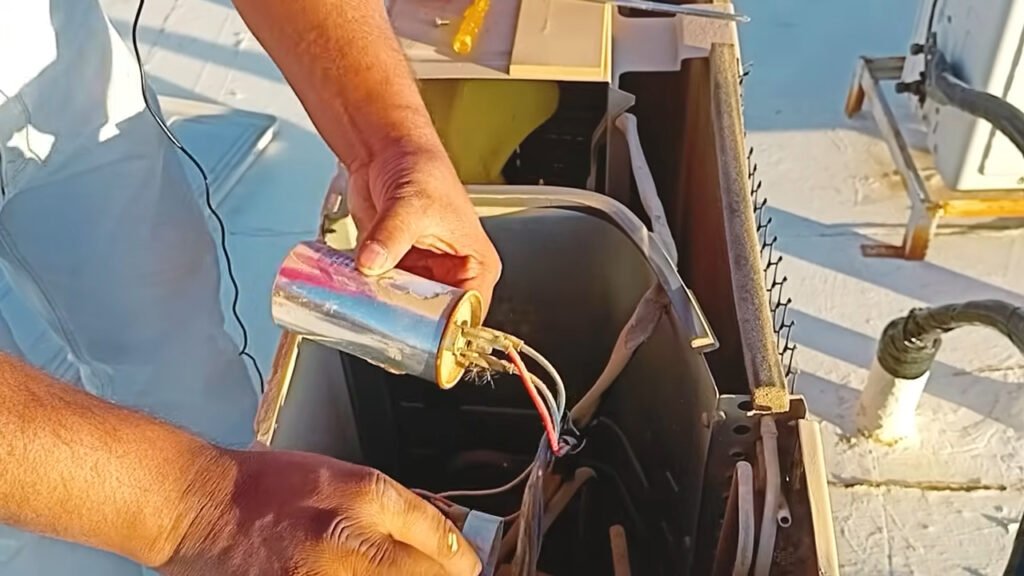
Testing or replacing a capacitor. Capacitors hold an electrical charge, so handling one yourself carries a shock risk. Let a qualified technician test and replace it.
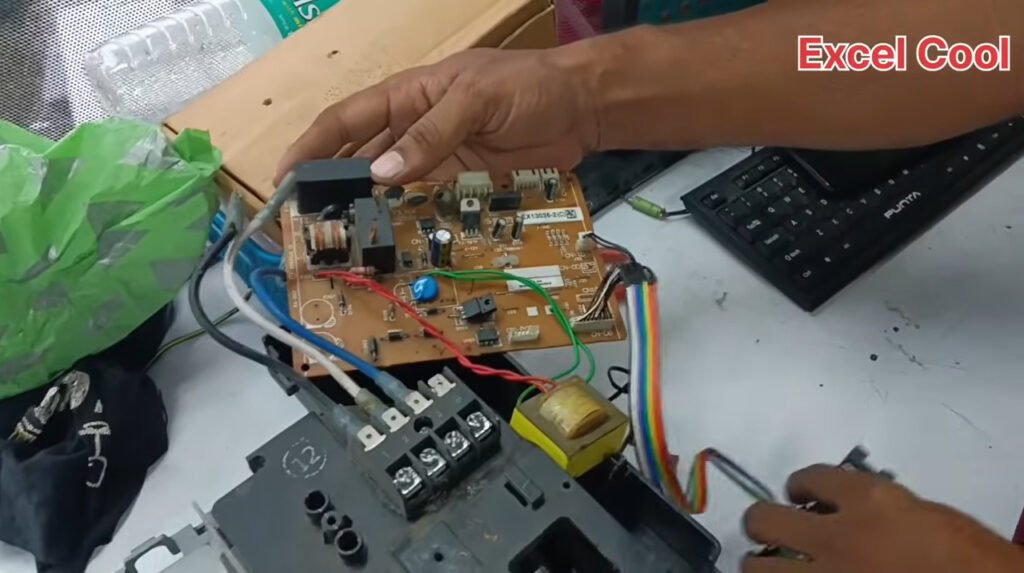
Repairing or replacing the PCB. Board failures need diagnostics, so contact the brand’s authorized service center. They will diagnose the problem and replace the board if needed.
Step-by-Step Quick Diagnosis Process
Set the AC to COOL mode and lower the temperature.
Wait 5 to 10 minutes for the compressor delay timer.
Check whether power is reaching the outdoor unit.
Inspect the wiring and communication cables between the indoor and outdoor units.
Look for burnt, loose, or disconnected wires.
Test the contactor by pressing it manually.
Inspect the capacitor for bulging or leakage, and test it.
Check the outdoor fan motor for rotation and continuity.
Verify the indoor PCB is sending a command signal.
Inspect for refrigerant leaks.
Clean the condenser coils and remove airflow obstructions.
If all checks pass, have a technician inspect the compressor and control board.
Common Causes of Aircon Outdoor Unit Not Working
Each cause below shows the signs, how to check it, and the usual fix.
Power Supply Problems
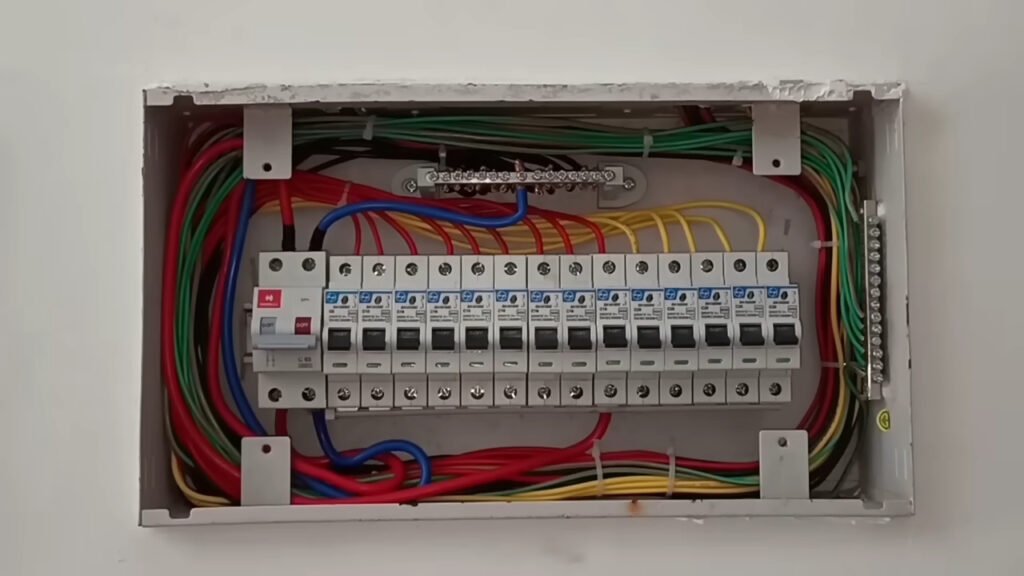
Possible causes: A tripped breaker, faulty power supply, loose connections, or damaged or burnt communication wiring can cut power to the outdoor unit.
How to check: Confirm the breaker is ON and inspect all wiring. Use a multimeter to check voltage at the outdoor terminal block, and switch off the power before touching any wires.
Solution: Reset the breaker, tighten loose connections, and repair or replace damaged wires.
Faulty Contactor
Symptoms: The fan and compressor start only when you press the contactor by hand.
Possible causes:The contactor coil may be defective, the indoor PCB may send no control signal, or the command wire may be broken.
How to check: Press the contactor manually and test the coil for continuity. If the unit then starts, the compressor and fan are likely healthy.
Solution: Replace the contactor, repair the control wiring, or check the indoor PCB relay.
Capacitor Failure
Symptoms: The fan jerks and stops, the compressor fails to start, or the unit stays silent.
Possible causes: A weak or failed run capacitor, oil leakage, or age can reduce its capacitance.
How to check: Look for bulging or oil leakage. A technician can measure capacitance with a multimeter.
Solution: Replace it with a capacitor of the exact same capacitance and voltage rating.
Burnt or Faulty Outdoor Fan Motor
Symptoms: The compressor runs, but the fan stays still and the motor feels hot.
Possible causes: The motor winding may be burnt or open, or the shaft may be jammed.
How to check: With the power off, spin the fan by hand. It should move freely. Then run a continuity test on the motor wires.
Solution: Replace the fan motor. Then allow the 2 to 3 minute compressor protection delay before startup.
Faulty PCB or Control Board (Common in Inverter ACs)
Symptoms: The compressor runs normally, but the fan does not respond. The fan connector may show low or incorrect voltage.
Possible causes: A faulty relay, driver circuit, failed transistor, or damaged microcontroller output.
How to check: Measure voltage at the fan motor connector and look for burn marks on the board.
How to check: Look for oil marks and signs of leakage around pipe joints and connections.
Solution: A qualified technician should find and repair the leak, then vacuum the system and recharge the refrigerant.
Outdoor Unit Blockage or Overheating
Symptoms: The unit shuts down unexpectedly and cools less.
Possible causes: Dirt-clogged condenser coils, debris blocking airflow, or objects placed near the unit.
How to check: Inspect the fins and coils, and make sure the unit has clear space around it.
Solution: Clean the coils and fins, and remove any obstructions.
Remote Control or Settings Issues
Symptoms: The outdoor unit does not start even though no hardware fault exists.
Possible causes: The wrong mode, a temperature set too high, or a faulty remote.
Solution: Set the AC to COOL mode and lower the temperature. Replace the remote batteries or test with another remote.
Preventive Maintenance Tips
Service the AC at least once a year to catch small faults early.
Clean the outdoor coils and fins regularly to keep the unit running cooler.
Tighten electrical connections during every service visit.
Keep the outdoor unit free from dust, leaves, and other obstructions.
Inspect the wiring periodically for burns, fraying, or damage.
Address unusual noises or reduced cooling early, before major failures occur.
Use a surge protector to guard the capacitor and control board from voltage spikes.
When to Call a Professional Technician?
Some problems need more than basic checks. Compressor, refrigerant, and PCB faults involve sealed parts, electrical risks, and special tools. If you notice any sign below, stop troubleshooting and contact an authorized AC technician. Acting early protects the unit and keeps you safe.
Oil marks on pipe joints, or no cooling while running.
Clicking, grinding, or loud noises from the outdoor unit.
Suspected PCB fault on an inverter AC.
Final Thoughts
Most aircon outdoor unit failures trace back to the power supply, capacitor, contactor, fan motor, or PCB. The quick diagnosis table and step-by-step checklist above can solve the simple cases.
However, electrical and refrigerant faults need a certified technician. Schedule annual maintenance to prevent future breakdowns. For doorstep diagnosis in Kolkata, contact Urban Service Plaza.
 Call Technician